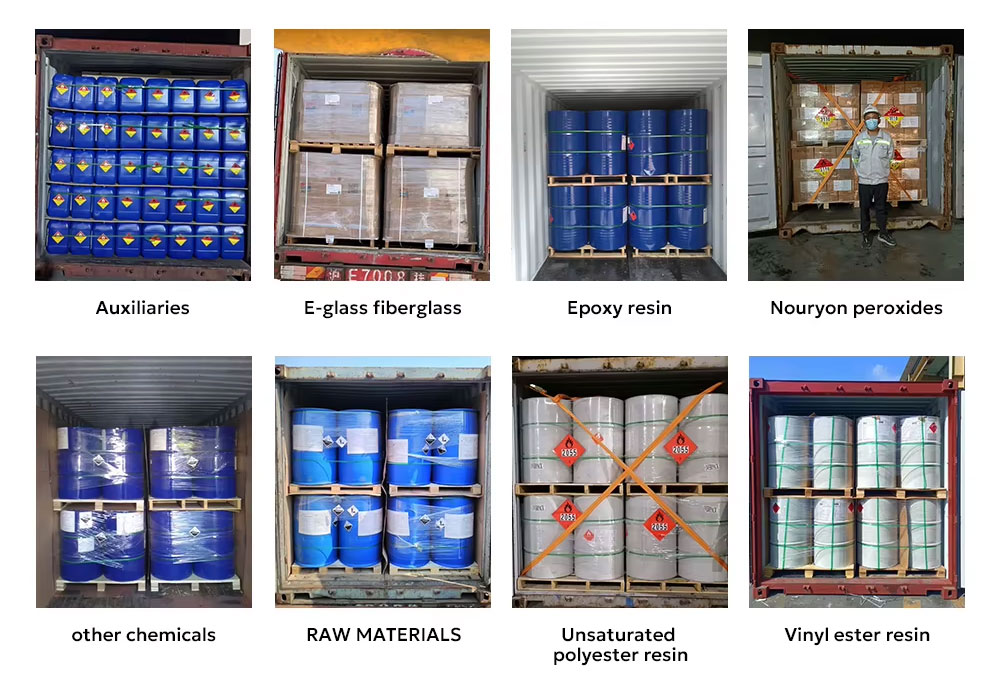



Epichlorohydrin is a reactive epoxide compound used as a key building block for epoxy resins, synthetic glycerin, and specialty polymer production. Composite material buyers and resin formulators sourcing this intermediate typically need a stable, consistently specified supply for epoxy resin manufacturing, wet-strength paper resins, and ion exchange resin production.
Epichlorohydrin Key Properties
Epichlorohydrin (ECH) is a reactive epoxide compound with the molecular formula C3H5ClO and CAS No. 106-89-8. It appears as a colorless, volatile liquid with a pungent odor, a boiling point of about 116 degrees C, and is slightly soluble in water but miscible with many organic solvents. Due to its epoxy and chlorinated functional groups, it is highly reactive and widely used in polymer synthesis. Full physical and safety data for this compound is published on PubChem for buyers who want to cross-check the chemistry before ordering.
Because it is volatile and has a pungent odor at room temperature, handling in well-ventilated conditions is important, and purity grades on the market generally range from industrial grade to higher-purity grades intended for more demanding polymer applications. Buyers should confirm the purity specification that matches their intended end use before finalizing an order.
Key Features of Epichlorohydrin
- Serves as a key intermediate for producing epoxy resins and glycerol derivatives
- Provides excellent reactivity for crosslinking and polymer formation
- Improves chemical resistance, mechanical strength, and adhesion in end-use materials
- Essential in coatings, adhesives, and composite formulations requiring long-term performance and durability
This reactivity profile is why formulators building epoxy systems for coatings, adhesives, and structural composites continue to specify this raw material as a core feedstock rather than substituting it with alternative epoxide chemistries.
Main Applications
Epichlorohydrin is primarily used in the production of epoxy resins for coatings, adhesives, composites, and electronic materials. It is also used to manufacture synthetic glycerin, elastomers, wet-strength resins for paper, ion exchange resins, and water treatment chemicals. In addition, it is used in rubber, textiles, and specialty chemical industries. Buyers sourcing it alongside other bulk chemicals for resin production can evaluate supply options as part of a broader raw-material sourcing plan.
In the composite and coatings supply chain, this raw material often sits alongside other epoxy intermediates used across marine, construction, electronics, and automotive-parts production, where formulators weigh crosslink density and cure performance when selecting a feedstock for a given epoxy system.
Production Process
Epichlorohydrin is mainly produced from propylene via chlorination and epoxidation processes. Modern processes may also use glycerol as a renewable feedstock. The crude product is purified through distillation to obtain high-purity material suitable for industrial polymer manufacturing.
Storage and Handling
This chemical should be stored in a cool, well-ventilated area away from heat, sparks, and open flame, in sealed containers to limit vapor release given its volatility and pungent odor. Buyers can request the safety data sheet to review full handling, transport, and storage guidance before placing an order.
Frequently Asked Questions About Epichlorohydrin
What is the CAS number for Epichlorohydrin?
The CAS number is 106-89-8, with the molecular formula C3H5ClO.
What is it mainly used for?
It is primarily used to produce epoxy resins, synthetic glycerin, elastomers, wet-strength paper resins, and ion exchange resins.
Why is ventilation important when handling this chemical?
It is a volatile liquid with a pungent odor, so well-ventilated storage and handling areas help limit vapor exposure.
Is Epichlorohydrin soluble in water?
It is only slightly soluble in water but is miscible with many common organic solvents.
Can I request a safety data sheet before ordering?
Yes, the SDS and supporting documentation can be requested directly through an inquiry.
For bulk pricing, packaging options, or the technical and safety data sheets for Epichlorohydrin, composite material buyers and sourcing managers are welcome to submit an inquiry for supply chain resource support.