


Methacrylic Acid is an unsaturated carboxylic acid used as a key monomer for acrylic polymers, coatings, adhesives, and specialty resin systems. Composite material buyers and polymer formulators sourcing this monomer typically need a stable, consistently specified supply for use in methacrylate ester production, resin modification, and ion exchange resin manufacturing.
Methacrylic Acid Key Properties
Methacrylic Acid (MAA) is an unsaturated carboxylic acid with the molecular formula C4H6O2 and CAS No. 79-41-4. It appears as a colorless liquid with a sharp, acrid odor, a molecular weight of approximately 86.09 g/mol, and a boiling point near 161-163 degrees C. It is miscible with water and many organic solvents, and contains both carboxyl and vinyl functional groups, making it highly reactive for polymerization and esterification. Full physical and safety data for this compound is published on PubChem for buyers who want to cross-check the chemistry before ordering.
At room temperature it exists as a free-flowing liquid rather than a solid, which simplifies metering and blending into resin and coating formulations. Purity grades available on the market generally range from industrial grade to higher-purity grades intended for more demanding polymer applications, and buyers should confirm the purity specification that matches their intended end use before finalizing an order.
Key Features of Methacrylic Acid
- Provides excellent reactivity for producing acrylic polymers and methacrylate esters
- Improves adhesion, hardness, chemical resistance, and weatherability in polymer systems
- Compatible with coatings, adhesives, and resin-modifier formulations
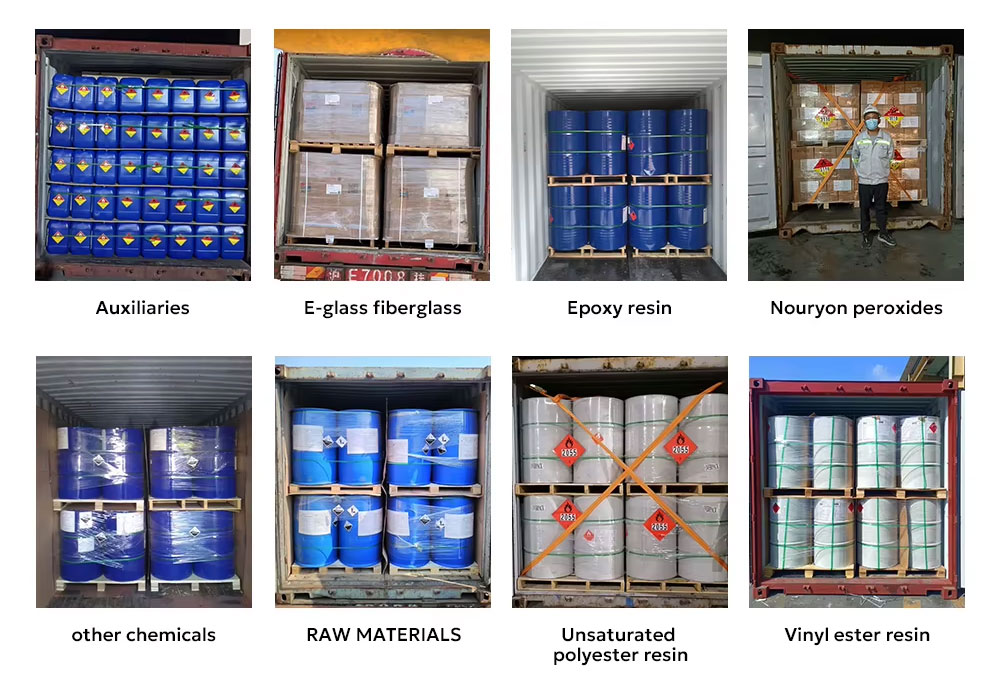
- Supplied with inhibitors to control polymerization during storage and transportation
Because this chemical can polymerize easily, it is usually stabilized with inhibitors during storage and transportation, and buyers should maintain recommended temperature ranges and avoid contamination that could trigger premature polymerization.
Main Applications
Methacrylic Acid is widely used in the production of methacrylate esters such as MMA, acrylic resins, coatings, adhesives, textile auxiliaries, ion exchange resins, and plastic modifiers. It is also used in water treatment chemicals, leather finishing agents, and specialty polymer applications. Buyers sourcing Methacrylic Acid alongside other bulk chemicals for resin and coating production can evaluate supply options as part of a broader raw-material sourcing plan.
In the composite and coatings supply chain, this raw material often sits alongside other acrylic monomers and resin modifiers used across marine, construction, and automotive-parts production. Formulators adjusting hardness, weatherability, or adhesion in a coating or resin system frequently evaluate this input as one of several comonomer options available for a given formulation.
Production Process
Methacrylic Acid is commonly produced through oxidation or hydrolysis routes based on isobutylene, tert-butanol, or methacrylonitrile. The crude product is then purified and stabilized to obtain industrial-grade or high-purity material suitable for polymer and resin manufacturing.
Storage and Handling
This chemical should be stored in a cool, well-ventilated area away from heat, sparks, and open flame, in containers that keep the inhibitor concentration stable. Buyers can request the safety data sheet to review full handling, transport, and storage guidance before placing an order.
Frequently Asked Questions About Methacrylic Acid
What is the CAS number for Methacrylic Acid?
The CAS number is 79-41-4, with the molecular formula C4H6O2.
What is it mainly used for?
It is primarily used to produce methacrylate esters, acrylic resins, coatings, adhesives, and ion exchange resins.
Why do inhibitors matter during transport and storage?
It contains a reactive vinyl group and can polymerize easily, so inhibitors are added to keep it stable during storage and shipping.
Is it soluble in water?
Yes, it is miscible with water as well as many common organic solvents.
Can I request a safety data sheet before ordering?
Yes, the SDS and supporting documentation can be requested directly through an inquiry.
For bulk pricing, packaging options, or the technical and safety data sheets for this chemical, composite material buyers and sourcing managers are welcome to submit an inquiry for supply chain resource support.