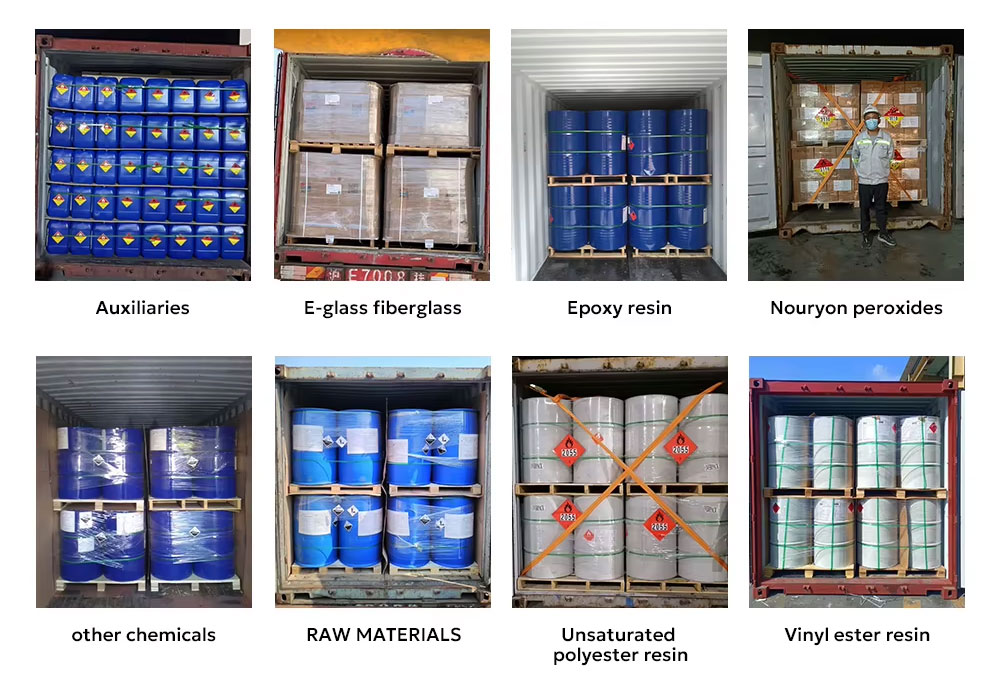



Phthalic Anhydride is a key chemical intermediate for plasticizers, alkyd resins, and unsaturated polyester resin production. For formulators and chemical traders evaluating sourcing options, understanding its core chemistry and principal applications helps ensure the right grade is selected for each use case. This guide summarizes the key technical facts buyers need before placing a bulk order.

Phthalic Anhydride Key Properties
Phthalic Anhydride has the molecular formula C₈H₄O₃, molecular weight 148.12 g/mol, and CAS No. 85-44-9 (see the PubChem compound record for verified reference data). It is typically supplied as white crystalline flakes or needles with a melting point of approximately 130–132°C and a boiling point of approximately 284°C. It hydrolyzes in water to form phthalic acid. Commercial-grade Phthalic Anhydride is commonly supplied at purity ≥99.5%, though buyers should confirm exact specification and Certificate of Analysis with their supplier for each shipment.
Key Features of Phthalic Anhydride
- Important intermediate for phthalate-based plasticizers
- Used in alkyd resin and industrial coating systems
- Suitable for unsaturated polyester resin production
- High reactivity supports a wide range of chemical synthesis routes
- Wide downstream application coverage across multiple industries
Main Applications of Phthalic Anhydride
Phthalic Anhydride is used to produce phthalate-based plasticizers for flexible PVC, and in alkyd resins, varnishes, industrial coatings, and decorative paints. In the composites industry, it is used in unsaturated polyester resins for FRP composites across construction, automotive, marine, and industrial parts. It is also used in the production of dyes, pigments, saccharin, and agricultural chemicals. Formulators and chemical traders sourcing bulk chemical raw materials often evaluate Phthalic Anhydride alongside related resin intermediates to match grade and performance requirements to their application.
Supply stability matters for this raw material because resin and plasticizer manufacturers typically run scheduled production batches. Buyers evaluating Phthalic Anhydride suppliers should confirm grade certification, packaging format, and regional logistics capability to avoid disruptions in downstream formulation work.
Production and Handling Considerations
Phthalic Anhydride should be stored in a cool, dry, well-ventilated area in tightly sealed containers to prevent moisture contact, since it hydrolyzes readily in water. It is a respiratory and skin irritant, so personnel handling bulk material should wear chemical-resistant gloves, eye protection, and appropriate respiratory protection per the Safety Data Sheet. Buyers should request current safety data sheet documentation from their supplier before bulk handling or storage planning.
Frequently Asked Questions About Phthalic Anhydride
What is Phthalic Anhydride used for?
It is used to produce phthalate-based plasticizers, alkyd resins, coatings, unsaturated polyester resins for FRP composites, and intermediates for dyes and pigments.
What is the CAS number for this compound?
It is referenced under CAS No. 85-44-9, with molecular formula C8H4O3 and molecular weight 148.12 g/mol.
Why does this material need to be kept dry?
Phthalic Anhydride hydrolyzes in water to form phthalic acid, so it should be stored in tightly sealed containers away from moisture to maintain its specification.
How should this material be handled?
Personnel should wear chemical-resistant gloves, eye protection, and appropriate respiratory protection, and store it in a cool, dry, well-ventilated area, following current safety data sheet guidance.
Can Thousands Technology supply this material in bulk?
Yes, Thousands Technology provides supply chain resource support for formulators and industrial buyers sourcing this material, with grade, packaging, and logistics details confirmed per order.
For technical data sheets, grade options, or a bulk quotation for Phthalic Anhydride, contact our team through the inquiry form on this page to discuss your sourcing requirements.