


Diethylene Glycol (DEG) is a colorless, odorless, hygroscopic liquid with the molecular formula C₄H₁₀O₃ and CAS No. 111-46-6. As a reliable diethylene glycol supplier, Thousands Chemical Store provides industrial-grade DEG with high purity for polyurethane, resin, plasticizer, and solvent applications globally, with competitive bulk pricing and full documentation support.
Diethylene Glycol (DEG) Overview
Diethylene Glycol is produced as a co-product during the hydration of ethylene oxide to monoethylene glycol (MEG). Its ether linkage gives DEG unique solvent properties — it dissolves a wide range of compounds including resins, dyes, and cellulosics that neither water nor common organic solvents can dissolve alone. This makes diethylene glycol an indispensable intermediate in polyurethane resin, unsaturated polyester resin, and plasticizer production, as well as a solvent in industrial cleaning and textile processing.
Key Features
- High Purity Grade: Our diethylene glycol meets industrial-grade specifications with purity ≥99.0% by GC, water content ≤0.1%, and low color (APHA ≤10). Full COA provided with each shipment.
- Versatile Solvent Properties: DEG’s ether-alcohol structure provides exceptional solvency for cellulosic compounds, dyes, resins, and certain inorganic salts, making it useful across printing inks, textile dyeing, and industrial cleaning formulations.
- Key Polyurethane & Resin Raw Material: Diethylene glycol is a chain extender and polyol component in polyurethane foam and elastomer production. It is also used as a glycol component in unsaturated polyester resins, influencing flexibility and hydrophilicity of the final polymer.
- Plasticizer Intermediate: DEG reacts with phthalic anhydride and other anhydrides to produce plasticizers used in PVC processing, contributing to flexibility and durability in films, cables, and flooring.
- Reliable Supply Chain: We source diethylene glycol from vetted manufacturers with traceable supply chains, ensuring consistent quality and on-time delivery to customers worldwide.
Technical Specifications
- Chemical Name: 2,2′-Oxydiethanol (Diethylene Glycol)
- CAS No.: 111-46-6
- Molecular Formula: C₄H₁₀O₃
- Molecular Weight: 106.12 g/mol
- Purity: ≥ 99.0% (GC)
- Appearance: Clear, colorless, viscous liquid
- Boiling Point: 244–245 °C at 760 mmHg
- Flash Point: 124 °C (closed cup)
- Density at 20°C: 1.118 g/cm³
- Viscosity at 20°C: ~35 mPa·s
- Water Content: ≤ 0.1%
- Color (APHA): ≤ 10
Applications by Industry
Diethylene glycol is a multi-functional chemical intermediate with widespread industrial applications. In the polyurethane industry, DEG serves as a chain extender and diol component in the synthesis of polyurethane elastomers, foams, and coatings. In unsaturated polyester resin production, it modifies the resin backbone to improve flexibility and processing characteristics. As a plasticizer intermediate, DEG reacts with phthalic anhydride to produce diethylene glycol dibenzoate and related plasticizers used in PVC applications.
Diethylene glycol is also used as a humectant in tobacco, textile, and wood products to prevent drying and cracking. In natural gas processing, DEG is used as a dehydration agent to remove water from natural gas streams. Industrial solvent applications include printing inks, where DEG improves dye solubility and controls drying rate, and in textile dyeing as a leveling agent. Brake fluids and hydraulic fluids also utilize DEG for its hygroscopic and viscosity properties.
Packaging & Supply Information
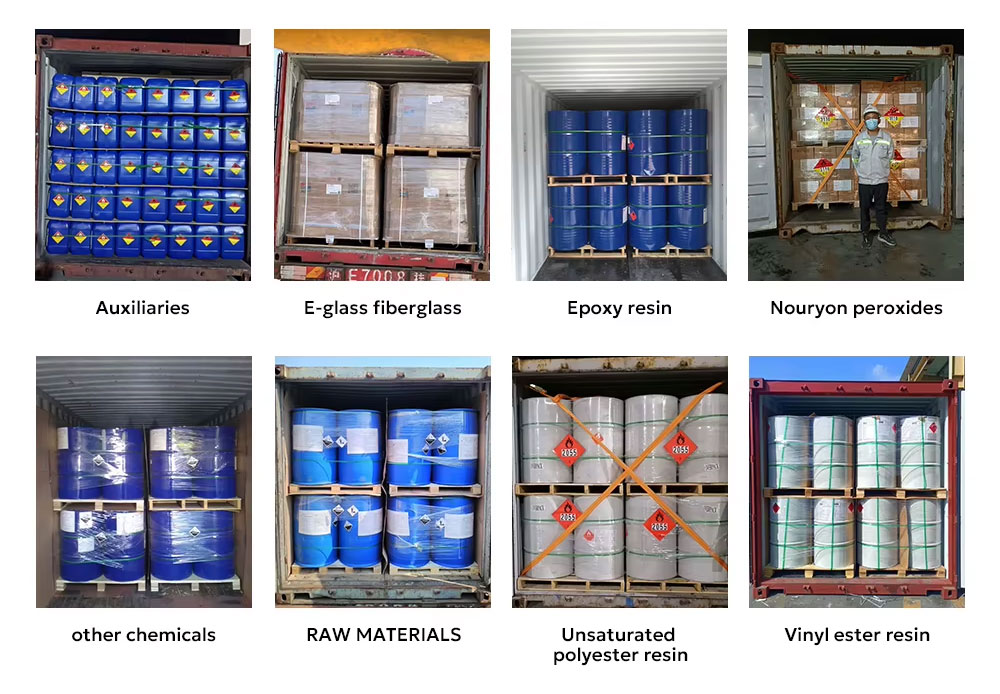
- Standard Packaging: 200 kg iron drums, IBC totes (1,000 kg), ISO tank containers
- MOQ: 1 drum (200 kg); bulk tanker shipments available
- Lead Time: 3–7 business days for standard orders
- Documents: Certificate of Analysis (COA), Safety Data Sheet (SDS), REACH compliance
- Shipping: Global — FCL/LCL sea freight, road transport, air freight on request
Frequently Asked Questions — Diethylene Glycol Supplier
- What purity grade of diethylene glycol do you supply? We supply industrial-grade DEG with purity ≥99.0% by GC. Full Certificate of Analysis is provided with every shipment.
- What is the minimum order quantity for DEG? MOQ is 1 drum (200 kg). For bulk IBC or ISO tank orders, contact us for volume-based pricing.
- Is DEG safe for use in food or pharmaceutical applications? Industrial-grade DEG is not approved for food or pharmaceutical use. It is intended for industrial applications only. For food-grade glycol applications, please enquire about our propylene glycol supply.
- What documentation is available? We provide COA, SDS, REACH registration data, and customs documentation as required. TDS is available on request.
- Can you supply to my country? We ship globally. Contact us with your destination port and required volume for a freight quote and estimated delivery time.
- What is the typical lead time for a bulk DEG order? Standard in-stock orders ship within 3–7 business days. Production-based orders may require 2–4 weeks. ISO tank shipments follow vessel schedules.
Diethylene Glycol (DEG): Safety & Handling
Diethylene Glycol has moderate acute toxicity (oral LD50 ~12,565 mg/kg in rats) and is not classified as a carcinogen, mutagen, or reproductive toxicant under GHS. It is not flammable under standard storage conditions (flash point 124°C). However, DEG should not be used in food, beverage, or pharmaceutical applications, as industrial-grade material may contain trace impurities. Personnel handling bulk DEG should wear chemical-resistant gloves and eye protection as per the SDS.
Store diethylene glycol in a cool, dry, well-ventilated area away from strong oxidizing agents and heat sources. Keep containers tightly closed to prevent moisture absorption. For complete safety information, request the Safety Data Sheet from our team. For related products, see also Propylene Glycol (PG) and Bulk Chemical Raw Materials.