

1,2-Propylene Glycol is a widely used diol valued for its safety profile, moisture-retention capability, and broad solvency across food, pharmaceutical, cosmetic, and industrial formulations. For formulators and chemical traders evaluating sourcing options, understanding its core chemistry and approved use cases helps ensure the right grade is selected for each application. This guide summarizes the key technical facts buyers need before placing a bulk order.

1,2-Propylene Glycol Key Properties
1,2-Propylene Glycol (PG) is a diol with the molecular formula C₃H₈O₂ and CAS No. 57-55-6 (see the PubChem compound record for verified reference data). It is a clear, colorless, viscous liquid with low volatility and hygroscopic properties, a boiling point of approximately 188°C, and is fully miscible with water and many organic solvents. It is widely recognized for its safety profile and is approved for use in food, pharmaceutical, and cosmetic applications.
1,2-Propylene Glycol is primarily produced from propylene oxide through hydrolysis, with the resulting product purified through distillation to obtain industrial-grade, food-grade, or pharmaceutical-grade material. Buyers should confirm the required grade and supporting documentation with their supplier before finalizing a purchase order, since grade affects which applications the material is suitable for.
Key Features of 1,2-Propylene Glycol
- Versatile solvent, humectant, and stabilizer with excellent moisture-retention capability
- Good compatibility with active ingredients, supporting formulation stability
- Low toxicity and GRAS status support food-grade and pharmaceutical-grade use
- Fully miscible with water and many organic solvents for flexible formulation work
- Suitable for both regulated personal-care/food applications and industrial systems
Main Applications of 1,2-Propylene Glycol
1,2-Propylene Glycol is widely used in food and beverage formulations as a solvent for flavors and colors, as well as a humectant to retain moisture. In pharmaceuticals and cosmetics, it is used in creams, lotions, gels, shampoos, and personal care products as a moisturizer and carrier. In industrial applications, it is used in antifreeze, coolants, hydraulic fluids, resins, coatings, and as a solvent in inks and adhesives. Formulators and chemical traders sourcing bulk chemical raw materials often evaluate 1,2-Propylene Glycol alongside related glycols to match grade requirements to their application.
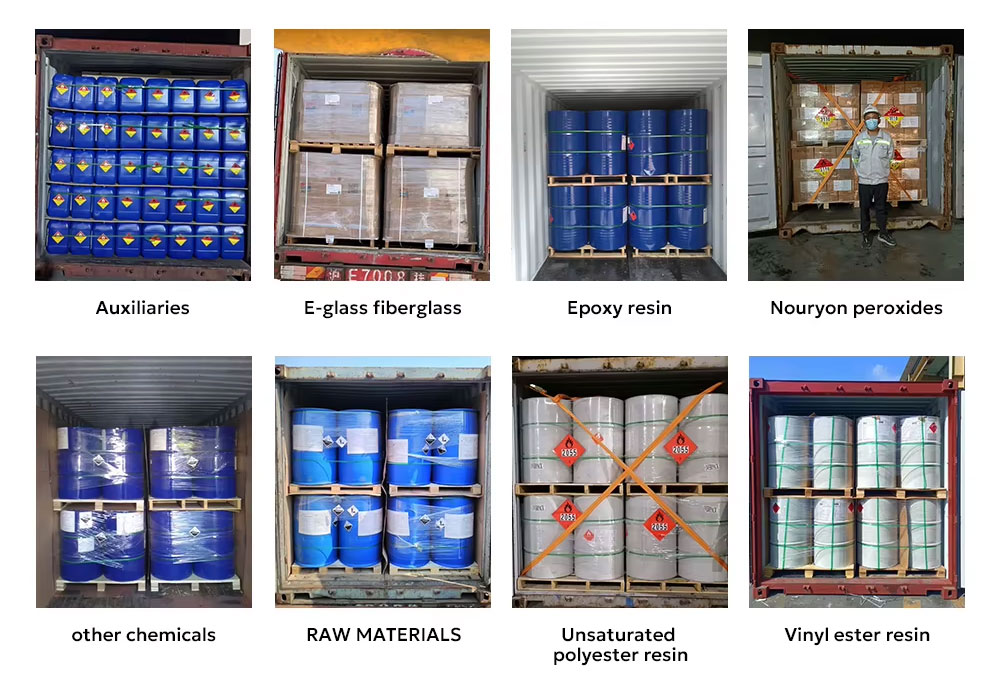
Supply stability matters for this raw material because food, pharmaceutical, and personal-care manufacturers typically run scheduled production batches. Buyers evaluating 1,2-Propylene Glycol suppliers should confirm grade certification, packaging format, and regional logistics capability to avoid disruptions in downstream formulation work.
Production and Handling Considerations
It is primarily produced from propylene oxide through hydrolysis, with the resulting material purified through distillation to obtain industrial-grade, food-grade, or pharmaceutical-grade product. It should be stored in a cool, dry, well-ventilated area in tightly sealed containers, away from strong oxidizing agents, and handled with standard industrial hygiene practices including gloves and eye protection. Buyers should request current safety data sheet documentation from their supplier before bulk handling or storage planning.
Frequently Asked Questions About 1,2-Propylene Glycol
What is 1,2-Propylene Glycol used for?
It is used as a solvent, humectant, and moisturizer across food and beverage, pharmaceutical, cosmetic, and industrial formulations, including antifreeze, coolants, and coatings.
What is the CAS number for this compound?
It is referenced under CAS No. 57-55-6, with molecular formula C3H8O2.
Is this material safe for food and pharmaceutical use?
Yes, it carries GRAS status and is approved for food, pharmaceutical, and cosmetic applications when supplied in the appropriate grade with supporting documentation.
How should this material be stored?
It should be stored in a cool, dry, well-ventilated area in tightly sealed containers, away from strong oxidizing agents, following current safety data sheet guidance.
Can Thousands Technology supply this material in bulk?
Yes, Thousands Technology provides supply chain resource support for formulators and industrial buyers sourcing this material, with grade, packaging, and logistics details confirmed per order.
For technical data sheets, grade options, or a bulk quotation for 1,2-Propylene Glycol, contact our team through the inquiry form on this page to discuss your sourcing requirements.