


LOCTITE 620 is a high-temperature retaining compound formulated for cylindrical assemblies such as slip, press, and shrink-fitted parts. For composite fabricators and industrial assemblers who already source resins, gasket sealants, and other Loctite products from Thousands Technology, LOCTITE 620 fills a role where a retaining compound must withstand elevated service temperatures on rotating or press-fitted components. This page summarizes the documented properties and application steps for LOCTITE 620 to support sourcing decisions.

Typical Properties of LOCTITE 620 (Uncured Material)
The properties below are documented for the uncured material and help buyers compare this compound against other retaining compounds for a given cylindrical assembly.
| Property | Typical Value |
|---|---|
| Specific Gravity @ 25 °C | 1.16 |
| Viscosity, Brookfield RVT (25 °C, Spindle 5, 20 rpm) | 5,000 to 12,000 mPa·s (cP) |
| Viscosity, EN 12092-MV (25 °C, after 180 s, Shear Rate 129 s⁻¹) | 1,200 to 2,400 mPa·s (cP) |
| Flash Point | See SDS |
LOCTITE 620: Complete Guide for Cylindrical Assembly Buyers
Correct application technique depends on the assembly method being used. The documented directions for use are as follows:
For Assembly
- For best results, clean all surfaces (external and internal) with a Loctite cleaning solvent and allow to dry.
- If the material is an inactive metal or the cure speed is too slow, spray with Activator 7471 or 7649 and allow to dry.
- Shake the product thoroughly before use.
- For slip-fitted assemblies, apply adhesive around the leading edge of the pin and the inside of the collar, using a rotating motion during assembly to ensure good coverage.
- For press-fitted assemblies, apply adhesive thoroughly to both bond surfaces and assemble at high press-on rates.
- For shrink-fitted assemblies, coat the pin with adhesive, then heat the collar to create sufficient clearance for free assembly.
- Parts should not be disturbed until sufficient handling strength is achieved.
For Disassembly and Cleanup
- Apply localized heat to the assembly to approximately 250 °C and disassemble while hot.
- Cured product can be removed by soaking in a Loctite solvent, such as Loctite 7200, and mechanical removal with a soft scraper, avoiding the formation of dust and aerosols.
- Complete the cleaning process by wiping with a soft cloth dampened with a Loctite Cleaner, such as Loctite 7063 or an ODC-free cleaner.
Matching the Assembly Method to the Application
Because LOCTITE 620 is applied differently for slip, press, and shrink-fitted parts, assembly teams should confirm which fit type their design calls for before ordering. Rotating components such as bearings, bushings, and cylindrical liners benefit from the rotating-motion application for slip fits, while press-fitted parts require thorough coverage and higher press-on rates to avoid air pockets. Shrink-fitted assemblies add a heating step that changes handling time on the production line, so buyers should plan tooling and cycle time accordingly.
Why Consistent Sourcing Matters
Composite fabricators and assemblers who use this retaining compound across multiple production runs benefit from consistent viscosity and handling strength batch to batch. Variation in these properties can affect how predictably a cylindrical assembly seats and holds under service temperature, which is why buyers sourcing LOCTITE 620 for repeat use should confirm supply continuity with their supplier before committing to large orders.
Where to Source LOCTITE 620
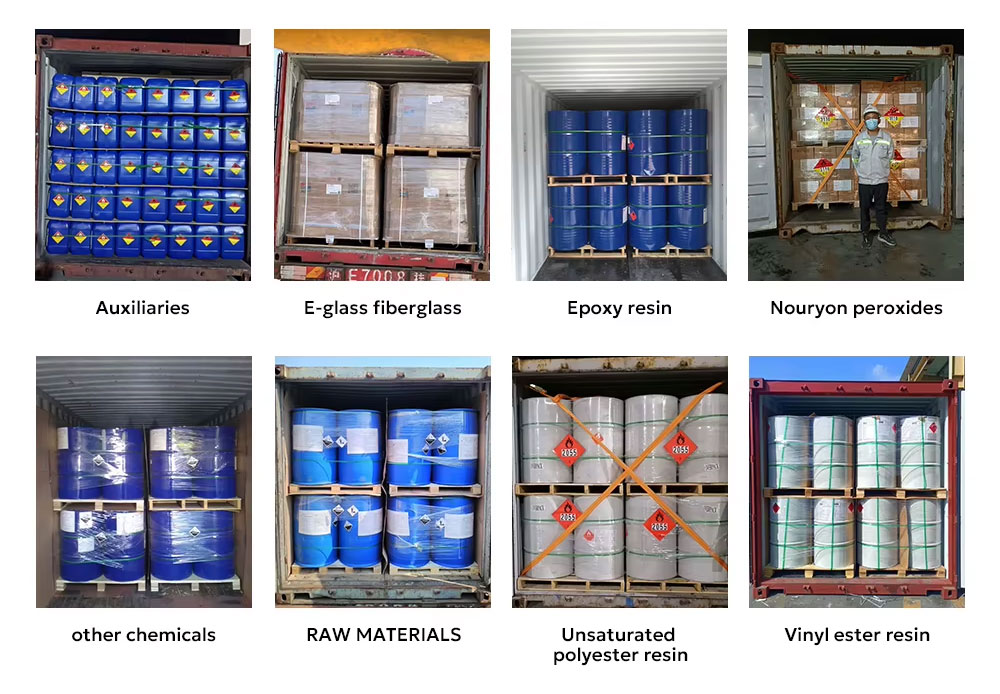
Thousands Technology provides supply chain resource support for recommended international brand products, including LOCTITE 620, alongside a broader range of auxiliary agents and sealing products for composite and industrial assembly applications. For adhesive performance standards and test methods referenced across the industry, buyers can review the applicable ASTM standards for adhesives and sealants.
Documentation
Safety data, flash point details, and handling precautions are provided in the manufacturer’s SDS. Buyers should request the current SDS and technical data sheet before finalizing an order to confirm the specification matches their application.
FAQ: LOCTITE 620
What is LOCTITE 620 used for?
It is used as a high-temperature retaining compound for slip, press, and shrink-fitted cylindrical assemblies.
Does it need an activator?
An activator such as 7471 or 7649 may be used if the material is an inactive metal or cure speed is too slow.
How is a cured assembly disassembled?
Localized heat to approximately 250 °C is applied to the assembly, which is then disassembled while hot.
How is excess product cleaned up?
Cured product can be soaked in a Loctite solvent and removed with a soft scraper, then wiped with a cloth dampened with Loctite Cleaner.
For pricing, SDS documentation, or supply chain support for LOCTITE 620, contact Thousands Technology’s sourcing team to discuss your project requirements.