


Styrene is a key aromatic monomer used throughout the plastics, rubber, and composite materials supply chain, most notably as a reactive diluent in unsaturated polyester resin (UPR) production. For overseas buyers sourcing resin raw materials for FRP, marine, and construction applications, understanding the properties and supply characteristics of Styrene is essential for consistent resin performance and stable procurement.

Styrene Key Properties
It has the chemical formula C₈H₈ and a molecular weight of 104.15 g/mol (CAS 100-42-5). It is a colorless, oily liquid with a characteristic sweet odor, a boiling point of approximately 145°C, and is highly flammable. It is slightly soluble in water but readily soluble in organic solvents. Due to its vinyl group, it is highly reactive and widely used as a monomer in polymer production. Full reference data is available via PubChem.
Commercial-grade material is produced industrially by the dehydrogenation of ethylbenzene, a well-established catalytic process operated at high temperatures and followed by purification to obtain high-purity monomer suitable for polymer and resin production. Buyers should confirm the purity grade and packaging format against the intended end use.
Key Features
- Key monomer in the production of a wide range of polymers and resins
- Excellent polymerization performance and compatibility with unsaturated polyester systems
- Good mechanical properties, processability, and cost efficiency in plastics and composites
- Widely applicable across construction, automotive, packaging, and consumer goods industries
Main Applications of Styrene
This monomer is primarily used in the production of polystyrene for packaging materials, disposable products, and insulation, and is also widely used in ABS plastics for appliances, automotive parts, and electronics. In rubber applications, it is used to produce styrene-butadiene rubber (SBR) for tires and latex systems for coatings and adhesives. In composite materials, it is also used as a reactive diluent in unsaturated polyester resins (UPR) for fiberglass, marine parts, and construction materials. Buyers can review related unsaturated polyester resin products sourced through our bulk chemicals catalog for downstream sourcing options.
Composite material buyers and resin formulators sourcing this raw material at scale often coordinate directly on packaging, lot consistency, and delivery scheduling to align with continuous UPR manufacturing lines.
Safety and Handling Considerations
This material is flammable and should be handled with care. It may cause irritation to the eyes, skin, and respiratory system, and high exposure can affect the central nervous system, leading to dizziness, fatigue, or headaches. Standard industrial handling practices, including appropriate personal protective equipment, proper ventilation, and sealed packaging, are recommended during storage, transfer, and dosing operations.
Frequently Asked Questions About Styrene
- What is this monomer primarily used for? It is mainly used as a monomer for polystyrene, ABS plastics, styrene-butadiene rubber, and as a reactive diluent in unsaturated polyester resin (UPR) production.
- What is the CAS number and molecular formula? CAS 100-42-5, molecular formula C₈H₈, with a molecular weight of 104.15 g/mol.
- How should this material be stored? In a cool, well-ventilated area away from heat and ignition sources, since it is highly flammable.
- What production process is typically used? Commercial-grade material is produced by the catalytic dehydrogenation of ethylbenzene, followed by purification.
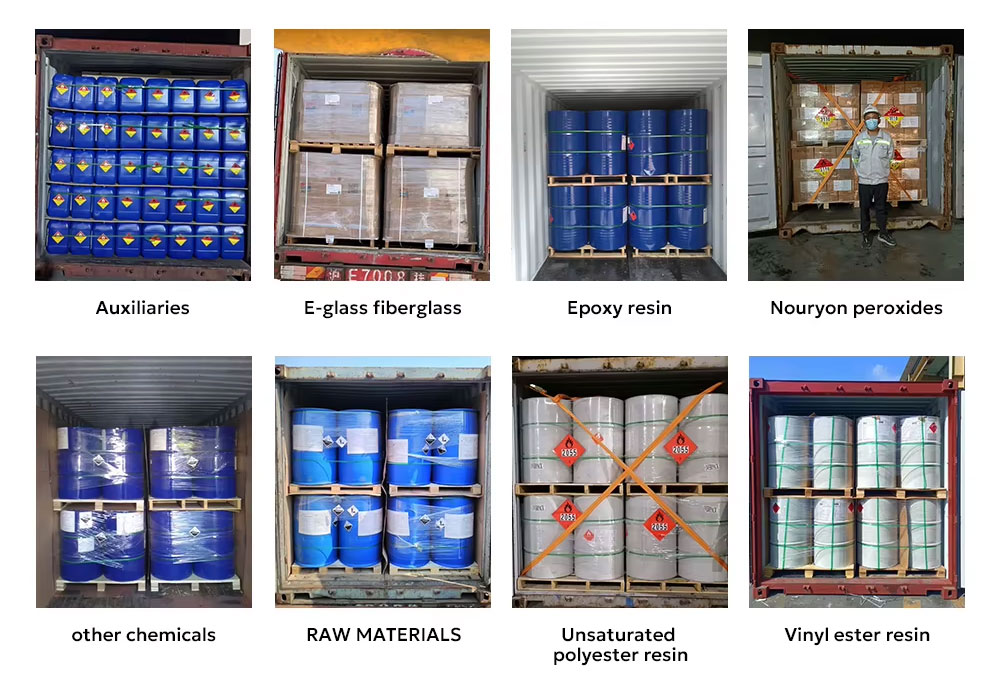
- Can Thousands Technology supply this material in bulk? Yes, Thousands Technology offers supply chain resource support for bulk sourcing of this and related UPR raw materials for overseas composite material buyers.
Composite material buyers, FRP manufacturers, and resin formulators looking to source this monomer or related UPR raw materials are welcome to contact our team for product information, packaging options, and supply chain resource support.