


Dissolvine GL-38 is a liquid, readily biodegradable chelating agent based on GLDA-Na4 (glutamic acid N,N-diacetic acid tetrasodium salt), supplied as a recommended international brand product with supply chain resource support for buyers across the pulp, textile, and photographic industries. Dissolvine GL-38 sequesters metal ions such as iron, copper, and manganese, stabilizing bleaching and developing baths where uncontrolled metal catalysis would otherwise degrade product quality.

Dissolvine GL-38 Specifications
| Appearance | Clear liquid |
| Assay according to Fe-sequestering capacity | ≥ 38.0 % |
| Density | ~ 1360 kg/m³ |
| pH, 1% w/v aqueous dilution | 11.0-12.0 |
Characteristics
| Miscibility with water | any desired ratio |
With an iron-sequestering capacity of at least 38.0% and a density of approximately 1360 kg/m³, this chelating agent is supplied as a clear liquid that is fully miscible with water at any desired ratio, which simplifies dosing into aqueous process baths without pre-dilution equipment.
Applications of Dissolvine GL-38
Dissolvine GL-38 is used in the pulp industry as a stabilizer in peroxide and hydrosulphite bleaching, where it binds trace metal ions that would otherwise catalyze peroxide decomposition and reduce bleaching efficiency. In the textile industry, this product functions as a stabilizer in bleaching and dyeing baths, helping maintain consistent shade and whiteness by preventing metal-catalyzed side reactions. In the photographic industry, it is used as a stabilizer in developing baths, supporting consistent image development by controlling metal ion interference.
Why Biodegradability Matters for Chelate Selection
Unlike older aminopolycarboxylate chelating agents, this product is formulated from GLDA, a readily biodegradable chelate derived from glutamic acid. This makes it a practical substitution option for pulp, textile, and photographic processors looking to reduce the environmental persistence of their process chemistry while maintaining the sequestering performance needed for consistent bleaching, dyeing, or developing results. Buyers evaluating wastewater treatment and discharge requirements can reference general chemical safety and registration guidance from bodies such as the European Chemicals Agency (ECHA) alongside their own regulatory assessment.
Sourcing and Supply
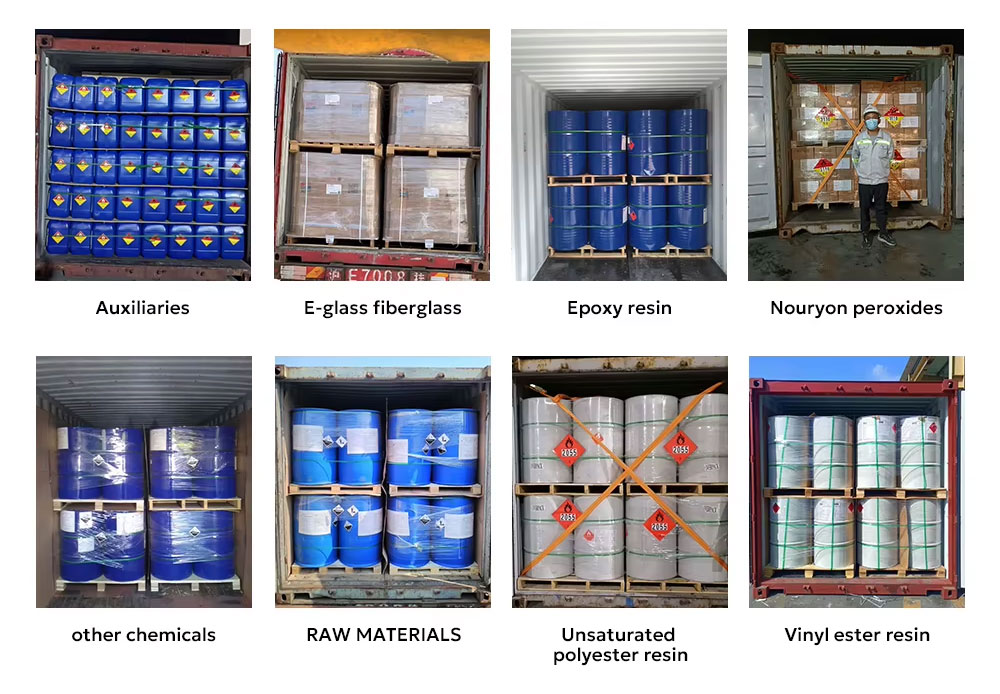
Chemicalsstore.com provides supply chain resource support for this chelating agent and other recommended international brand auxiliary agent products to overseas pulp mills, textile processors, and photographic chemical formulators. Buyers evaluating Dissolvine GL-38 for a new process line are encouraged to request the full technical data sheet and Material Safety Data Sheet before finalizing an order.
Frequently Asked Questions
What is Dissolvine GL-38 used for?
It is used as a stabilizer in peroxide and hydrosulphite bleaching in the pulp industry, in bleaching and dyeing baths in the textile industry, and in developing baths in the photographic industry, sequestering metal ions that would otherwise interfere with these processes.
What is the active content of Dissolvine GL-38?
It has an assay according to Fe-sequestering capacity of at least 38.0%, supplied as a clear liquid with a density of approximately 1360 kg/m³ and a pH of 11.0-12.0 at 1% w/v aqueous dilution.
Is Dissolvine GL-38 biodegradable?
This product is based on GLDA (glutamic acid N,N-diacetic acid tetrasodium salt), a readily biodegradable chelating chemistry, which distinguishes it from older, more persistent aminopolycarboxylate chelates.
How is Dissolvine GL-38 diluted for process use?
It is miscible with water at any desired ratio, allowing it to be dosed directly into aqueous process baths without specialized pre-dilution equipment.
Can Dissolvine GL-38 replace other chelating agents in bleaching baths?
This product is commonly evaluated as a biodegradable alternative to conventional chelates in peroxide and hydrosulphite bleaching systems; buyers should run their own process trials to confirm sequestering performance under their specific water hardness and metal ion load.
For the technical data sheet, Material Safety Data Sheet, or a quotation on this chelating agent for your next pulp, textile, or photographic production run, contact our team through the inquiry form on this page.