


Dissolvine M-40 is a 40 weight percent solution of methylglycine N,N-diacetic acid trisodium salt (MGDA-Na3) in water, offering a readily biodegradable chelating agent for controlling metal ion reactivity in water-based systems. Formulators sourcing Dissolvine M-40 use it as a fast-working, strong builder that serves as a drop-in replacement for NTA and a phosphate alternative in automatic dish washing, laundry, and car care formulations.
What Is Dissolvine M-40?
Dissolvine M-40 is the liquid form of MGDA, chemically named methylglycine N,N-diacetic acid, trisodium salt, with chemical formula MGDA-Na3 (C7H8NO6Na3), CAS number 164462-16-2, EC number 423-270-5, molecular weight 271.1 g/mol, and INCI name trisodium dicarboxymethyl alaninate. MGDA has three carboxylic groups that, together with the central nitrogen atom, provide strong multiple bonds with di- and trivalent metal ions, enabling rapid action at low temperatures and short contact times.
Dissolvine M-40 Product Typicals
| Property | Value |
|---|---|
| Physical form | Liquid |
| Appearance | Clear colorless to light yellow liquid |
| NTA-Na3 | < 0.10 wt% |
| Active ingredient (Fe-sequestering basis) | 39-41 wt% |
| pH (1 w/v% aqueous solution) | 10.0-12.0 |
| Liquid density | 1280-1320 kg/m³ |
| Viscosity | 25 mPa.s (20°C) / 55 mPa.s (5°C) |
| Freezing point | < -15°C |
| Solubility in water | Miscible in all ratios |
| COD | 290 mg/g |
A solid granular version, Dissolvine M-X, is also offered with a minimum 81 wt% active ingredient for applications where added water is undesirable, such as tableting and powder detergent formulations.
Applications of Dissolvine M-40
This chelating agent is used across household cleaning, including automatic dish washing, laundry detergents, and surface cleaning, as well as industrial and institutional cleaning applications such as mechanical dish washing, cleaning-in-place, transport cleaning, hard surface cleaning, biocidal detergents, and metal cleaning. It also finds use in polymer production, textile processing, gas sweetening, membrane cleaning, metal plating, and electronics. In cleaning formulations, it outperforms widely used builders like phosphates, citrates, gluconates, and zeolites due to its stronger bonds with hard water ions.
Sustainability and Regulatory Profile
MGDA is readily biodegradable under multiple OECD test methods and has demonstrated anaerobic biodegradability under OECD 311, a requirement for European Ecolabel compliance. It is fully REACH registered, listed on the US EPA Safer Chemical Ingredients List, and compliant with Nordic Swan and EU Ecolabel detergent legislation. It contains 43% renewable carbon atoms as measured by ASTM method D6866, and does not require dangerous goods labeling.
Handling and Storage
It is chemically stable under both acid and alkaline conditions and is stable under normal and recommended storage conditions. Because of its high pH, it should be stored in corrosion-resistant containers such as stainless steel or plastic, avoiding contact with aluminum, zinc, copper alloys, copper, and nickel. It should not be combined with hypochlorite bleach. Buyers should confirm site-specific handling requirements against the current safety data sheet.
Sourcing Dissolvine M-40 for Cleaning and Industrial Formulations
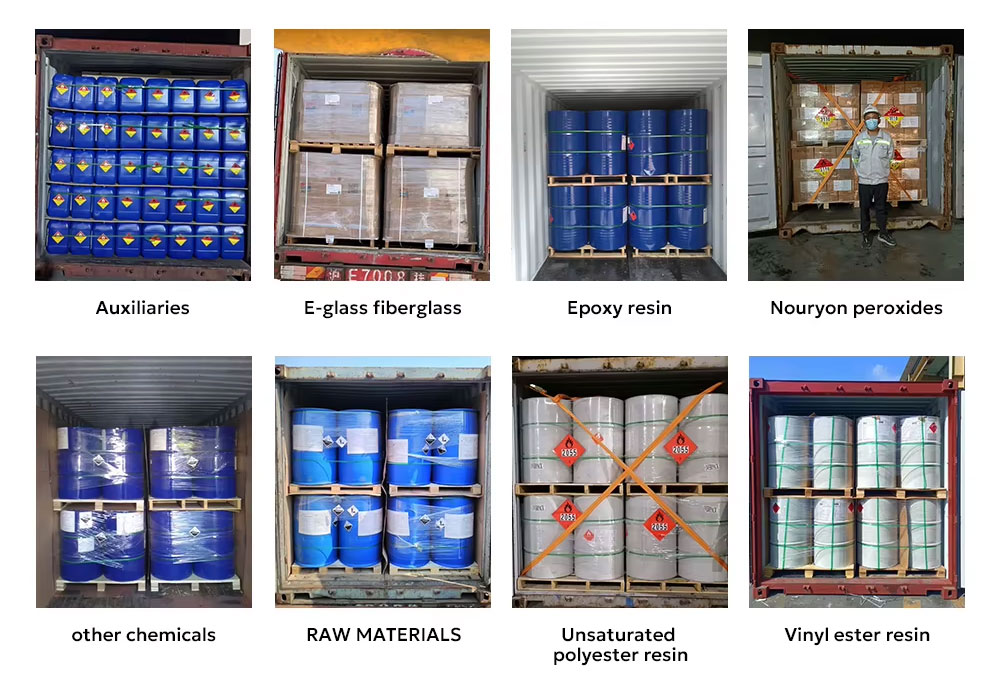
Thousands Technology offers supply chain resource support for recommended international brand products such as this chelating agent, helping formulators in household cleaning, industrial cleaning, and water treatment secure consistent supply alongside the auxiliary agents and additives already sourced through our platform. Buyers documenting formulation and quality controls can also reference general industrial chemical standards published by the ASTM D20 Committee on Plastics alongside their own process-specific specifications.
Frequently Asked Questions About Dissolvine M-40
What is it made from?
It is a 40 weight percent solution of methylglycine N,N-diacetic acid trisodium salt (MGDA-Na3) in water.
What is the CAS number?
The CAS number is 164462-16-2, with EC number 423-270-5.
Is it biodegradable?
Yes, it is readily biodegradable under multiple OECD test methods and has also demonstrated anaerobic biodegradability.
Can it replace phosphates in cleaning formulations?
Yes, it is used as a biodegradable alternative to phosphate builders and as a drop-in replacement for NTA in industrial and institutional cleaners.
How do I source it for my production line?
Formulators can contact Thousands Technology to request current packaging options, lead times, and supporting documentation.
Request a Quote for Dissolvine M-40
Household and industrial cleaning formulators evaluating Dissolvine M-40 are welcome to contact Thousands Technology for packaging details, lead times, and technical support aligned with your supply chain.