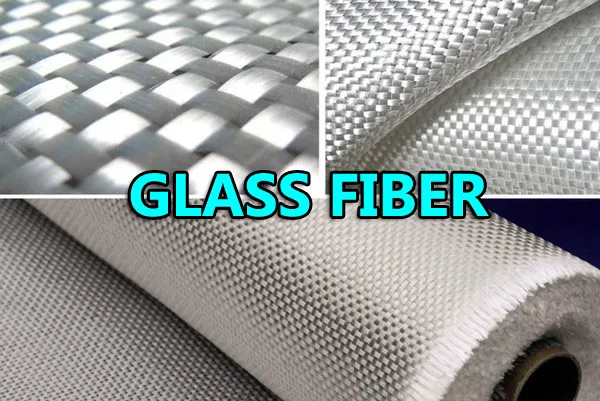
Glass Fiber Supplier selection affects laminate quality, lead time, and cost. Compare verified suppliers on Thousands Chemicals and source with confidence.
As demand for glass fiber continues to surge across industries—from construction and automotive to wind energy and marine—Thousands Chemicals is emerging as the go-to B2B digital marketplace to connect with verified, high-quality glass fiber suppliers from around the world. For sourcing managers and composite manufacturers, finding a dependable glass fiber supplier is one of the most important decisions in the procurement process, directly affecting product quality, lead times, and total landed cost.
At Thousands Chemicals, we’re redefining how the composites industry sources its key materials. Our platform brings together hundreds of thousands of chemical and composite products in one centralized marketplace, designed for speed, trust, and global reach.
“Glass fiber is a foundational material in modern manufacturing, prized for its strength, durability, and lightweight properties,” says the Product Director at Thousands Chemicals. “We’ve built an ecosystem where sourcing top-grade glass fiber is not only simple, but also reliable and cost-effective.”
Why Glass Fiber, and Why Now?
Glass fiber (or fiberglass) is a reinforced material made from extremely fine fibers of glass, used extensively in:
Composite reinforcement
Insulation materials
Boats and wind turbine blades
Automotive panels and aerospace structures
With its high tensile strength, corrosion resistance, and affordability, glass fiber is becoming increasingly important in green energy, infrastructure, and advanced manufacturing sectors. As adoption grows across these end markets, buyers are placing greater weight on working with a glass fiber supplier that can support consistent quality and reliable delivery at scale.
What to Look for in a Reliable Glass Fiber Supplier
Not every glass fiber supplier offers the same level of consistency, documentation, or technical support. Composite manufacturers and FRP fabricators evaluating a new supplier typically review the following factors before placing an order:
Product range and format – a capable supplier should offer multiple formats, such as chopped strand mat, woven roving, and yarn, so buyers can source multiple materials from one relationship.
Consistency between batches – variation in sizing, filament diameter, or resin compatibility between shipments can affect laminate quality, so buyers should ask any supplier for batch-level documentation.
Communication and responsiveness – a responsive supplier reduces the risk of production delays when specifications or order details need to be confirmed quickly.
Verified business credentials – working with a verified glass fiber supplier on a monitored marketplace reduces the risk of dealing with unverified or inconsistent sellers.
Glass fiber reinforcement is manufactured and tested against recognized industry references such as ASTM D578, the standard specification for glass fiber strands, which buyers can use as a reference point when comparing technical data sheets from different suppliers.
Thousands Chemicals: A Smarter Way to Source Glass Fiber
For Buyers ✅ Browse a wide range of glass fiber products from certified suppliers ✅ Save time and money through smart digital sourcing ✅ Enjoy guaranteed authenticity and full after-sales support
For Suppliers ✅ Instantly showcase your glass fiber products to a global buyer network ✅ Receive real-time feedback and industry insights ✅ Benefit from a 100% self-operated platform with no middlemen
With Thousands Chemicals, both buyers and suppliers of glass fiber gain access to a marketplace built for scale, speed, and trust. Every listing is reviewed, every transaction is protected, and every opportunity is within reach. Whether a buyer is comparing one supplier or several, the platform is designed to make that comparison straightforward.
Glass Fiber Applications Across Composite Industries
Buyers turn to a glass fiber supplier for a wide range of end uses, including:
Marine – hull and deck laminates for boat builders using hand lay-up or spray-up processes
FRP pipe and tank manufacturing – reinforcement for filament-wound and hand-laminated tanks and piping systems
Wind energy – structural reinforcement for wind turbine blade manufacturing
Construction – reinforcement for panels, rebar alternatives, and insulation products
Automotive and electrical – lightweight structural and electrical insulation components
Because these applications span such different processing methods, buyers often need a supplier that can support more than one product format under a single sourcing relationship, rather than negotiating separately with multiple vendors for each material type.
Frequently Asked Questions
How does Thousands Chemicals verify a glass fiber supplier?
Listings on the platform go through a review process before publication, and buyers can review supplier information directly on each product listing before reaching out.
Can I compare multiple glass fiber supplier options in one place?
Yes. The marketplace is structured so buyers can browse products from different suppliers side by side within the glass fiber category.
What glass fiber product formats are available through the platform?
Formats commonly listed include chopped strand mat, woven roving, and yarn, covering the main formats used in hand lay-up, spray-up, filament winding, and pultrusion processes.
Do lead times and minimum order quantities vary by supplier?
Yes. Lead times, minimum order quantities, and shipping terms vary by glass fiber supplier and product, so buyers should confirm these details directly with the supplier listed on the platform before ordering.
How do I contact a supplier listed on Thousands Chemicals?
Buyers can visit the glass fiber catalog, review individual product listings, and submit an inquiry directly to the relevant supplier through the platform.
Thousands of Chemicals. All in Thousands Chemicals. Visit the glass fiber catalog today to compare products from a verified glass fiber supplier and discover a smarter way to do business in the composites world.