


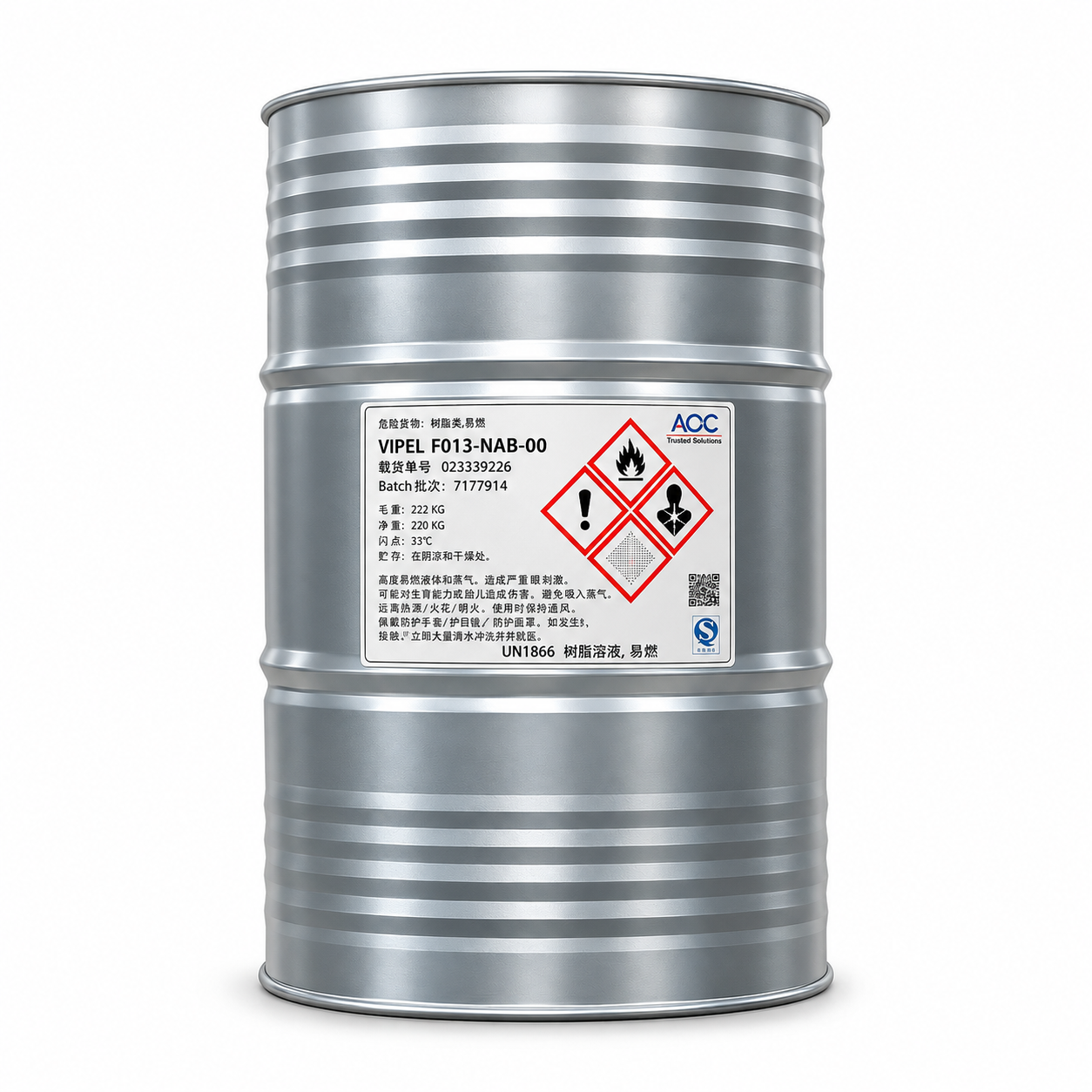
Palatal P 6-901 is an AOC orthophthalic unsaturated polyester resin based on orthophthalic acid and standard glycols, dissolved in styrene. The manufacturer describes high reactivity and medium viscosity, with mechanical, heat-resistance and chemical-resistance properties. The PDS identifies hand lay-up and filament winding as suitable processing methods. Listed uses include machine housings, tanks, vessels, profiles and boats.
Palatal P 6-901 Product Specifications
| Property | Value | Test method |
|---|---|---|
| Appearance | Clear | TM 2265 |
| Acid value | 29–33 mg KOH/g | TM 2401 |
| Solids content, infrared drying | 64–67% | TM 2033 |
| Viscosity at 23 °C | 900–1,200 mPa·s | TM 2313 |
| Gel time, 25 to 35 °C | 17–25 min | TM 2625 |
| Time from 25 °C to peak | 21–30 min | TM 2625 |
| Peak temperature | 150–180 °C | TM 2625 |
The reactivity figures for Palatal P 6-901 refer to the laboratory test described in the manufacturer PDS. Confirm the complete test method and cure-system details when comparing results or establishing incoming inspection limits. Working time in a part depends on its geometry and the actual process conditions. Use a representative trial to establish a suitable production window.
Typical Unfilled Cast Properties of Palatal P 6-901
| Property | Value | Test method |
|---|---|---|
| Tensile strength | 90 MPa | ISO 527-2 |
| Tensile modulus | 4.6 GPa | ISO 527-2 |
| Elongation at break | 2.8% | ISO 527-2 |
| Flexural strength | 150 MPa | ISO 178 |
| Flexural modulus | 4.6 GPa | ISO 178 |
| Heat deflection temperature | 104 °C | ISO 75-2 |
| Unnotched impact strength | 9 kJ/m² | ISO 179 |
The specimens were cured for 24 hours at room temperature and post-cured for 24 hours at 80 °C. The PDS reports testing at 23 ± 2 °C and 50 ± 5% relative humidity. These values describe unfilled cast specimens. For a reinforced component, request appropriate laminate data or qualify the intended reinforcement and resin system against the part specification.
Palatal P 6-901 for Hand Lay-Up and Filament Winding
For hand lay-up, share the reinforcement, part dimensions, mould geometry and required finish with the technical team. For filament winding, identify the reinforcement, part construction and process constraints. Record the conditions used for each trial so that viscosity, wet-out and practical working time can be evaluated consistently.
For a tank or vessel, define the contents and operating conditions, including normal temperatures and cleaning cycles. For a machine housing, profile or boat component, identify the loads and expected environment. Ask for grade-specific suitability guidance where heat or chemical exposure is important to the design.
4 Checks Before Selecting Palatal P 6-901
1. Match the full grade. Use the manufacturer’s Palatal P 6-901 designation on the quote, purchase order and receiving record. The compact spelling Palatal P6-901 may appear in file names; confirm the supplied label and document set refer to the same grade.
2. Define comparable testing. Agree on viscosity temperature and method, and compare gel-time results under equivalent conditions. The peak-temperature result is part of a laboratory reactivity test. Request the applicable method before using a number as an acceptance limit.
3. Qualify the material system. Evaluate the intended formulation and reinforcement on a representative sample. Keep the cure history and inspection results with the approved trial. For a required mechanical property, compare equivalent specimens and methods.
4. Confirm supply details. Include quantity, destination and required delivery date in the enquiry. Ask for packaging, available lots and remaining shelf life. Specify any certificate of analysis and agree on the measurements and units required with the shipment.
Palatal P 6-901 Supplier and TDS Requests
When contacting a Palatal P 6-901 supplier, provide the full AOC grade name, intended process and part requirements. Request the current Palatal P 6-901 TDS and SDS before production trials. For a repeat order, include the previous purchase or lot reference to help match the approved material and its documentation.
The supplied PDS lists six months of typical stability without initiator at 25 °C in dark storage. Follow the current SDS and label for handling and storage requirements and confirm the remaining shelf life of the offered lot. Browse the AOC resin range and the manufacturer’s brand overview for related materials. Values here are based on the English PDS version 1.0 dated 19 August 2020.