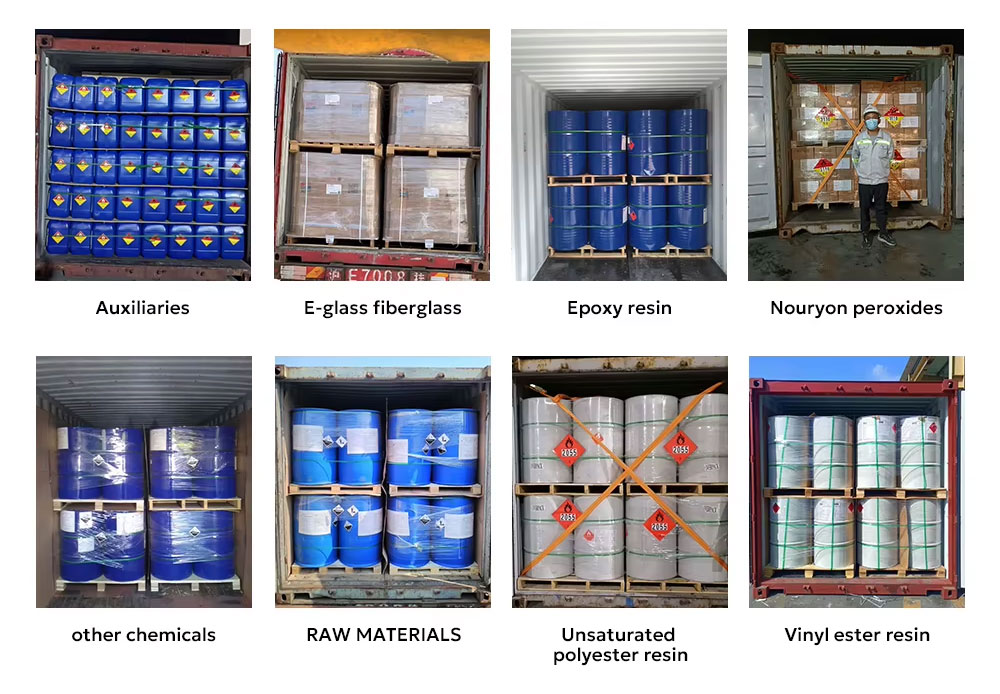



Carbon Fiber Woven Fabric is produced by interlacing carbon fiber yarns in the warp and weft directions of the loom in plain or twill weave patterns, giving composite fabricators a flat, dimensionally stable reinforcement for visible and structural laminate surfaces. Buyers sourcing carbon fiber woven fabric benefit from consistent yarn count, even tension across the roll, and a choice of weave style suited to both structural layup and cosmetic finish work.
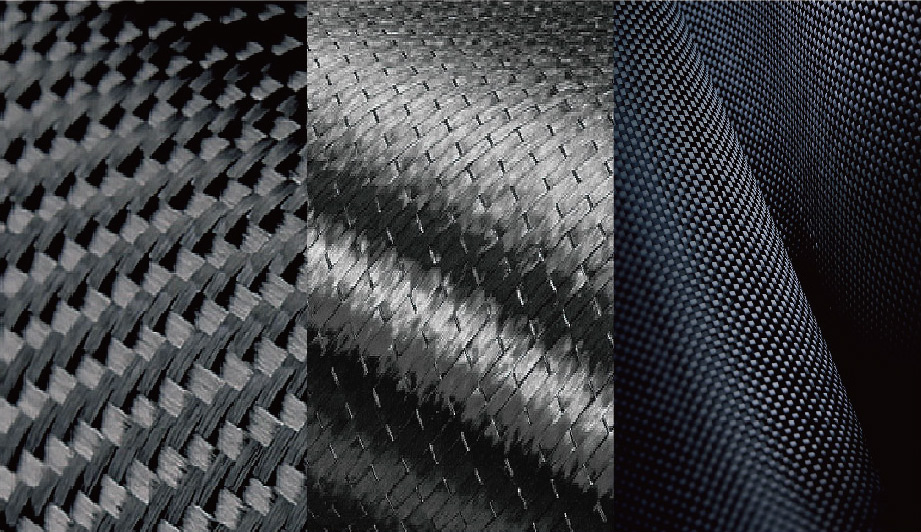
Carbon Fiber Woven Fabric Product Description
This carbon fiber woven fabric interlaces carbon yarn in the warp and weft directions using plain or twill weave patterns, producing a flat, evenly tensioned textile. Areal weight ranges from roughly 160 g/m² to 600 g/m² across the standard plain (CWP) and twill (CWT) series, with yarn count specified in ends per centimeter for both warp and weft. Hybrid variants combining carbon with glass or aramid yarn are also available where a fabricator needs to balance stiffness, impact resistance, and cost within the same ply.
Carbon Fiber Woven Fabric Product Application
Carbon fiber woven fabric is used for automotive interior and exterior trim and structural components, building and construction reinforcement, and sports and leisure goods, as well as other composite parts where a visible weave pattern or a flat, easy-to-drape textile is required. It is compatible with epoxy, polyurethane, vinyl ester, and phenolic resin systems and can be processed by infusion, resin transfer molding (RTM), or mould pressing.
Carbon Fiber Woven Fabric Product Features
- Designable weave: fiber type, yarn density, and weave pattern (plain or twill) can be specified to match the application
- Even tension: warp and weft yarns are arranged in flat, parallel rows for consistent wet-out and a clean cosmetic finish
- Good dimensional stability: the fabric resists distortion during handling and is easy to cut and lay up
- Hybrid options: carbon/glass and carbon/aramid constructions are available for parts that need a specific stiffness-to-cost or impact-resistance balance
Carbon Fiber Woven Fabric Technical Data
The table below lists the standard carbon-fiber (yarn type: Carbon) codes and their published specifications, taken directly from the manufacturer’s technical data sheet.
| Code | Total Weight (g/m²) | Weaving Style | Warp Count (ends/cm) | Weft Count (ends/cm) |
|---|---|---|---|---|
| CWP200 | 200 | Plain | 5 | 5 |
| CWP240 | 240 | Plain | 6 | 6 |
| CWP400 | 400 | Plain | 2.5 | 2.5 |
| CWP600 | 600 | Plain | 3.8 | 3.7 |
| CWT160 | 160 | Twill | 4 | 4 |
| CWT200 | 200 | Twill | 5 | 5 |
| CWT400 | 400 | Twill | 2.5 | 2.5 |
| CWT450 | 448 | Twill | 2.8 | 2.8 |
| CWT600 | 600 | Twill | 3.8 | 3.7 |
Sourcing Carbon Fiber Woven Fabric for Composite Manufacturing
Fabricators evaluating carbon fiber woven fabric alongside other carbon fiber reinforcement products typically compare areal weight, weave style, and yarn count per centimeter against their layup and finish requirements before switching suppliers. Plain weave is generally chosen for structural laminates that will be through-bolted or drilled, since it resists fraying at cut edges, while twill weave is often preferred for visible or curved surfaces because it drapes more easily around contours.
Continuous filament yarn properties for carbon fabric are commonly referenced against test methods such as ASTM D4018, which buyers can use as a comparison point when reviewing technical data sheets across suppliers. Fabricators moving from a single-source supplier to a second source for continuity of supply typically request roll width, edge finishing, and packaging details before placing a full production order.
Frequently Asked Questions
What weave patterns are available for carbon fiber woven fabric?
Plain weave (CWP series) and twill weave (CWT series) are the standard constructions, with areal weight ranging from roughly 160 g/m² to 600 g/m².
Is hybrid carbon fiber woven fabric available?
Yes. Carbon/glass and carbon/aramid hybrid woven constructions are available for applications that need a specific balance of stiffness, impact resistance, and cost.
Which resin systems is carbon fiber woven fabric compatible with?
It is compatible with epoxy, polyurethane, vinyl ester, and phenolic resin systems, and can be processed by infusion, RTM, or mould pressing.
What is the difference between plain and twill weave for carbon fabric?
Plain weave has a tighter interlace that resists fraying at cut edges, while twill weave has a more visible diagonal pattern and generally drapes more easily around curved surfaces.
What industries use carbon fiber woven fabric?
Typical applications include automotive interior and exterior components, building and construction reinforcement, and sports and leisure equipment.
Composite material buyers evaluating carbon fiber woven fabric for an upcoming project are welcome to submit an inquiry for technical data sheets, sample availability, and supply chain resource support.