


Overview
R-996 pigment is a zirconia and alumina treated rutile titanium dioxide pigment produced by the sulfate process. As one of the recommended international brand products in our pigment range, R-996 is supplied with supply chain resource support for formulators sourcing a highly durable, versatile TiO2 pigment for a wide range of coating applications.
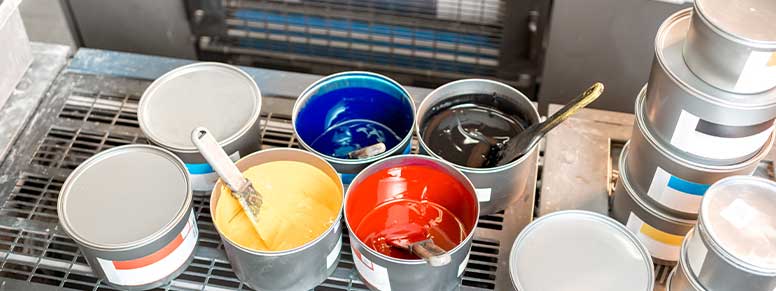
Careful control of the TiO2 particle size during the manufacturing process of R-996 pigment results in good brightness, high opacity and easy dispersibility. It is recommended for industrial coatings, powder coatings, and external and internal architectural coatings.
- 95 percent TiO2 content with zirconia and alumina inorganic coating for good brightness and high opacity
- Organic surface treatment for easy dispersibility across industrial, powder, and architectural coating systems
- Low oil absorption of 18 g/100g to help formulators estimate binder demand accurately
- ISO 591 classification R2, aligned with common rutile TiO2 coating grades
- Available in 25kg bags and flexible intermediate bulk containers to match order volume
Applications
- Industrial coatings
- Powder coatings
- External & internal architectural coatings
Specification of R-996
| Parameter | Value | Test Method |
| TiO2 content | 95% | XRF |
| Inorganic coating | Alumina; Zirconia | – |
| Organic treatment | Present | – |
| Moisture when packed* | 0.5% max | ISO 787-2 |
| Bulk density (tamped) | 1.2 g/cm³ | ISO 787-11 |
| Oil absorption | 18 g/100g | ISO 787-5 |
| pH | 7.0 | ISO 787-9 |
| Specific gravity | 4.1 g/cm³ | ISO 787-10 |
| ISO 591 classification | R2 | – |
| CAS number | 13463-67-7 | – |
| Color index | Pigment White 6 | – |
*Moisture when packed is measured within 48 hours of production.
Matching R-996 Physical Properties to Your Coating Process
Beyond TiO2 content, several of the physical values in the specification table above help formulators judge how R-996 will behave in a specific production process. A tamped bulk density of 1.2 g/cm3 and a specific gravity of 4.1 g/cm3 are typical of a densified rutile pigment, which affects how the powder feeds and packs during storage, transport, and metering into a mill base, and formulators running automated dosing lines should confirm these figures fit their existing equipment settings before switching grades.
The neutral pH of 7.0 for R-996 is a relevant reference point when formulating with pH-sensitive resin systems or additives, since a pigment with a pH far from neutral can sometimes interact with certain binders or dispersants and affect stability. The ISO 591 classification of R2 places R-996 among general-purpose rutile TiO2 pigments, which is why it is recommended across industrial, powder, and architectural coating applications rather than a single narrow use case.
Because moisture when packed is measured within 48 hours of production and specified at 0.5 percent maximum, buyers working with powder coating lines, where moisture pickup can affect extrusion and film formation, should request current batch moisture data alongside the certificate of analysis rather than relying on the general specification alone. Confirming these process-relevant values against your own mixing, milling, and application equipment before a full production run can help avoid surprises when qualifying R-996 as a replacement or alternate-source pigment.
Why TiO2 Content and Oil Absorption Matter for R-996
TiO2 content is one of the key values formulators reference when a pigment needs to deliver reliable brightness and hiding power, since a higher TiO2 content generally indicates a pigment that is more efficient at scattering light and providing opacity per unit of pigment used. With a TiO2 content of 95 percent and a zirconia and alumina inorganic coating, R-996 is positioned for coatings where good brightness, high opacity and easy dispersibility are required.
Because this pigment also has an oil absorption of 18 g/100g, formulators can better estimate binder demand when building out a coating formulation, which is relevant for industrial coatings, powder coatings, and architectural paint systems where binder-to-pigment ratio affects both cost and film performance.
What to Consider When Sourcing R-996
When sourcing a rutile TiO2 pigment for industrial, powder, or architectural coatings, formulators typically evaluate TiO2 content, inorganic and organic surface treatment, oil absorption, and dispersibility against the target coating system and application method.
Working with a supplier that can provide consistent documentation and responsive technical support can help reduce qualification time when approving a new pigment grade for a production line. Because moisture content is measured within a specific window after production, buyers should confirm current batch data against the latest certificate of analysis before finalizing a formulation.
Handling, Storage and Packaging
Good industrial hygiene practice should be used when handling R-996, and generation of dust should be avoided. The product should not be placed outdoors or exposed to extreme temperatures or moisture. R-996 titanium dioxide pigment is available in 25kg bags and a range of flexible intermediate bulk containers to suit different order volumes.
Where to Source This Product
Thousands Chemicals connects formulators with R-996 and related auxiliary agent products through our digital B2B marketplace. Pigment particle size, dispersibility and opacity performance are commonly evaluated using test methods published by organizations such as ISO (International Organization for Standardization). Our team can help confirm packaging, lead times, and technical documentation for your target application and order volume.
Documentation We Can Provide
For buyers evaluating this pigment for a new industrial, powder, or architectural coating project, our team can help arrange the current technical data sheet and safety data sheet. Having this documentation in hand before finalizing a formulation can help avoid delays later in your qualification or approval process.
FAQ
What is R-996 used for?
It is a rutile titanium dioxide pigment suitable for industrial coatings, powder coatings, and external and internal architectural coatings.
Is R-996 surface treated?
Yes, R-996 has an alumina and zirconia inorganic coating along with an organic treatment, which supports easy dispersibility and durability in the finished coating.
What is the CAS number of R-996?
The CAS number is 13463-67-7, and the color index designation is Pigment White 6.
Can you provide technical documentation and bulk pricing?
Yes, technical data sheets and SDS documentation are available on request, and our team can provide bulk pricing and lead times based on your target volume and delivery location.
Get a Quote for R-996
Contact our team for a quote, technical data sheet, or SDS for this rutile titanium dioxide pigment. We support bulk supply and global shipping for formulators sourcing R-996 for industrial, powder, and architectural coating applications.