


TT-AGE is a C12-14 aliphatic alkyl glycidyl ether used as a reactive diluent to reduce the viscosity of epoxy resin systems and improve construction performance during application. Buyers sourcing TT-AGE for epoxy resin dilution value its very low viscosity and low odor, formed by condensation of a C12-14 aliphatic alkyl group with an epoxy group to create a single-functional reactive diluent.
Why Formulators Use TT-AGE to Dilute Epoxy Resin
Epoxy resin formulators often need to lower system viscosity to improve wetting, flow, and application performance without significantly compromising cured properties. This product is designed for exactly that role: as a mono-functional reactive diluent, it reacts into the epoxy network during cure rather than remaining as an inert plasticizer, while keeping odor low compared to many aromatic diluents.
Product Characteristics
| Chemical Structure | C12-14 Aliphatic Alkyl Glycidyl Ether |
| Functionality | Single (Mono-Functional) Epoxy Group |
| Viscosity | Very Low |
| Odor | Low |
Because it contains only a single active epoxy group, a firm crosslinked network structure cannot form directly from this diluent alone, which is why the recommended loading is limited to 5-15% of the total resin weight.
Recommended Loading and Formulation Guidance
- Use TT-AGE at 5-15% of the resin weight to reduce viscosity and improve construction performance without excessively reducing crosslink density.
- Because it is mono-functional, exceeding the recommended loading range can weaken the cured network structure of the final epoxy system.
- This reactive diluent is best suited to applications prioritizing flow and wetting, such as coatings, castings, and laminating resins with strict viscosity requirements.
Formulators trialing this diluent in a new epoxy system should test at the low end of the recommended range first, then adjust upward only as needed to hit target viscosity, since mechanical properties can shift as loading increases toward the upper limit.
Sourcing TT-AGE Alongside Epoxy Resin Systems
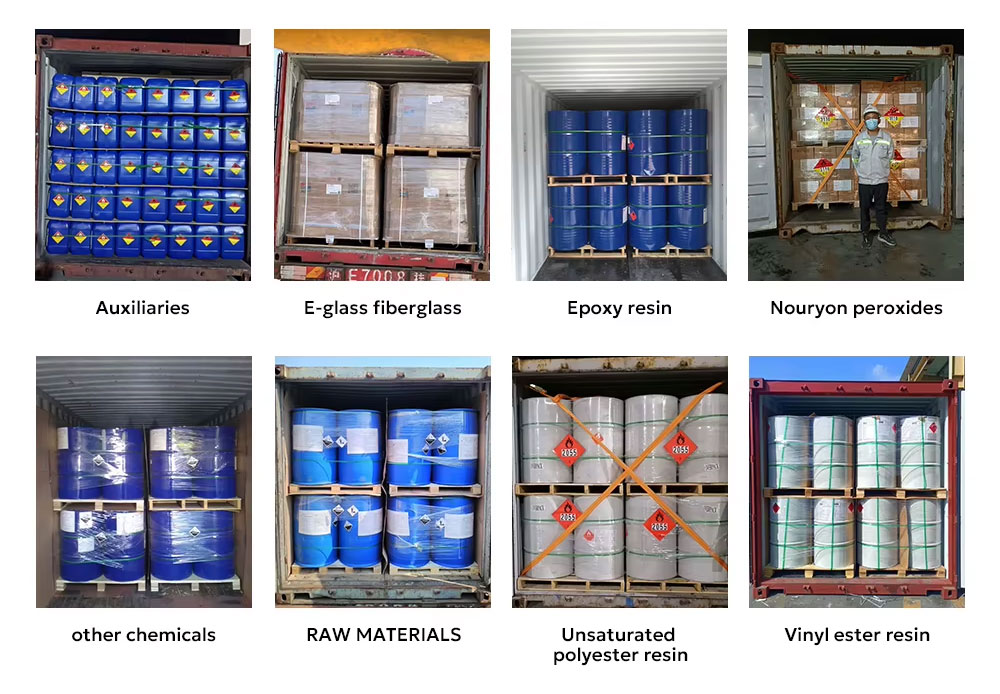
Since reactive diluents are ordered alongside the epoxy resin systems they modify, buyers can consolidate this product into the same order as their resin and reinforcement materials to simplify freight and vendor management. As a recommended international brand product available through our supply chain resource support, it can be quoted alongside epoxy resin, gelcoat, and other auxiliary agents for overseas composite and coatings manufacturers.
For background on test methods commonly referenced for epoxy resin and diluent qualification, buyers can consult the ASTM D20 committee on plastics.
Storage and Handling Notes
This reactive diluent should be stored in a cool, dry, tightly sealed container away from direct sunlight to protect shelf life. Buyers ordering in bulk should confirm compatibility with their specific epoxy resin grade before committing to large-volume purchases, since diluent performance can vary between resin chemistries.
Frequently Asked Questions About TT-AGE
What is TT-AGE used for?
It is used as a reactive diluent to reduce the viscosity of epoxy resin systems and improve construction and application performance.
What loading level is recommended?
The recommended amount is 5-15% of the resin weight, since the product’s single epoxy group cannot form a firm network structure on its own.
Is this diluent reactive or inert?
It is a reactive diluent, meaning it chemically bonds into the epoxy network during cure rather than remaining as an inert additive.
Does it have a strong odor?
No, it is formulated to have low odor and very low viscosity compared to many aromatic diluents.
Can this be sourced with epoxy resin orders?
Yes, TT-AGE is commonly quoted alongside epoxy resin, gelcoat, and other auxiliary agents for composite and coatings manufacturers.
Request a Quote for TT-AGE
If your formulation needs a low-viscosity, low-odor reactive diluent for epoxy resin, contact our team for a quotation on this product alongside your resin, gelcoat, and reinforcement orders. We can help plan volumes and coordinate delivery as part of a broader composite materials sourcing package.