


Loctite EA 3473 is a fast-gelling, wear-resistant epoxy repair compound supplied as a resin and hardener kit, used for rebuilding worn metal shafts and machined surfaces in industrial equipment. Maintenance teams sourcing Loctite EA 3473 for shaft rebuilding and wear-part repair value its short gel time and high-density formulation, with the resin weighing 2.5 to 2.64 kg/L and the hardener weighing 1.5 to 1.54 kg/L, giving the mixed compound enough bulk to rebuild material loss without excessive shrinkage.
Why Maintenance Teams Choose Loctite EA 3473 for Shaft Rebuilding
Composite fabrication lines rely on rotating equipment such as mixers, pumps, and conveyors, and worn shafts on this equipment can cause unplanned downtime if a rebuild compound cures too slowly or lacks sufficient wear resistance once cured. This product is formulated with a short gel time of 3.5 to 4 minutes at 21°C, allowing maintenance crews to rebuild a worn shaft and return equipment to service faster than with a slower-curing epoxy.
Typical Properties of Uncured Material
| Resin Weight per Volume | 2.5 to 2.64 kg/L |
| Hardener Weight per Volume | 1.5 to 1.54 kg/L |
| Gel Time @ 21 °C | 3.5 to 4 minutes |
These properties help maintenance planners evaluating Loctite EA 3473 compare it against other metal-repair epoxies already qualified for their equipment, particularly when a fast turnaround is needed between shifts.
Application and Shaft Rebuilding Procedure
- Mix resin and hardener according to the listed mix ratio, or transfer the entire kit onto a clean, dry mixing surface and mix vigorously until a uniform color is obtained.
- Apply the material to the prepared surface by first forcing a thin layer deep into the texture of the substrate, then immediately build up to the desired finished thickness.
- When rebuilding a shaft, machine the worn area down 3 mm (0.125 in) to produce a square shoulder, since a square edge holds stronger than a feathered edge.
- Machine a spiral cut in the bottom of the repair area to provide mechanical keying into the surface.
- Apply excess material to account for minor shrinkage during cure, then machine the surface back to original dimensions before full cure, since the cured compound is very wear resistant.
Following this sequence helps ensure the rebuilt surface holds its dimensions under continued mechanical load once the repair is returned to service.
Sourcing Loctite EA 3473 Alongside Composite Materials
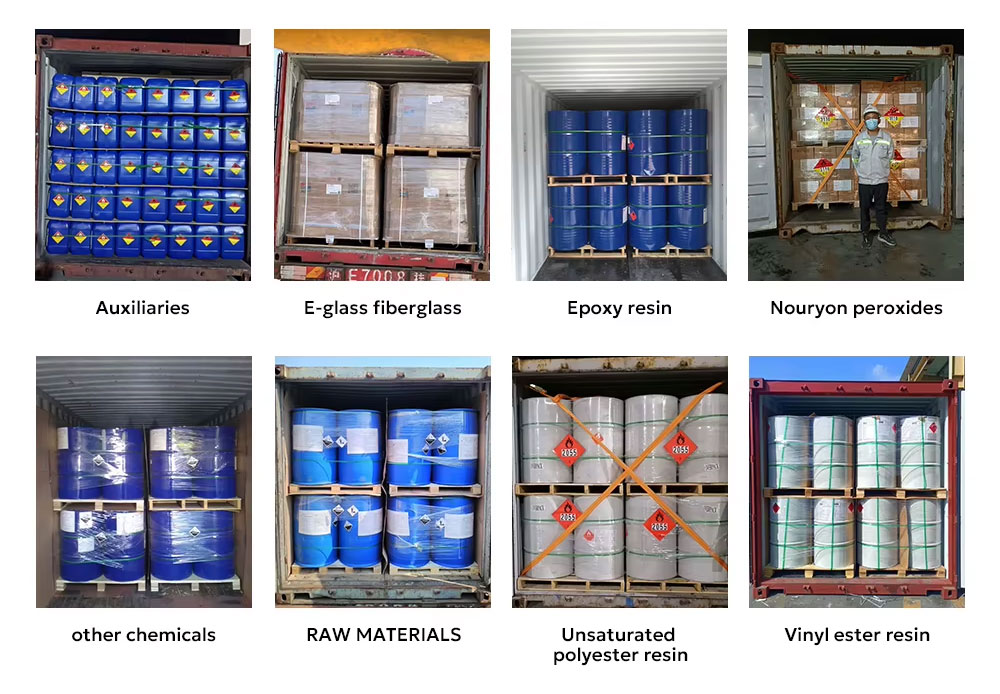
Because maintenance-grade epoxy compounds are often purchased alongside structural resins and reinforcement materials used on the same production floor, buyers can consolidate Loctite EA 3473 into the same order as their composite raw materials to simplify freight and vendor management. As a recommended international brand product available through our supply chain resource support, it can be quoted together with resin, gelcoat, and auxiliary agent orders for overseas fabricators and equipment maintenance teams.
For background on test methods commonly referenced for structural epoxy repair compounds, buyers can consult the ASTM D14 committee on adhesives.
Storage and Handling Notes
Resin and hardener components should be stored in a cool, dry area away from direct sunlight and kept tightly sealed between uses. Given the short gel time of this compound, maintenance teams should prepare the repair surface and have all machining tools ready before mixing, since working time after mixing is limited compared to slower-curing structural epoxies.
Frequently Asked Questions About Loctite EA 3473
What is Loctite EA 3473 typically used for?
It is a wear-resistant epoxy compound used to rebuild worn metal shafts and machined surfaces on industrial equipment.
How fast does the mixed compound gel?
The mixed material has a gel time of approximately 3.5 to 4 minutes at 21°C, so surfaces should be fully prepared before mixing.
Can this compound be machined after cure?
Yes, the recommended procedure includes machining the surface back to original dimensions before full cure, since the cured material is very wear resistant.
Why is a square shoulder recommended when rebuilding a shaft?
A square edge holds the rebuilt material more securely than a feathered edge, which is why machining a square shoulder is part of the recommended procedure.
Can this product be sourced with resin and gelcoat orders?
Yes, it is commonly quoted alongside resin, gelcoat, and auxiliary agent orders for composite fabricators and equipment maintenance teams.
Request a Quote for Loctite EA 3473
If your maintenance team needs a fast-gelling, wear-resistant epoxy for shaft rebuilding or equipment repair, contact our team for a quotation on this compound alongside your resin, gelcoat, and reinforcement orders. We can help plan volumes and coordinate delivery as part of a broader composite materials sourcing package.