



Vacuum Infusion Process has become a widely adopted manufacturing method in advanced composite production, offering improved laminate quality, reduced void content, and enhanced structural consistency. Across marine, energy, offshore engineering, and infrastructure sectors, vacuum infusion continues to enable larger, lighter, and more durable composite structures.
The following application cases illustrate how mature resin systems and infusion technology are supporting complex engineering projects worldwide.
Marine Industry: Cargo Vessel Sail Wings
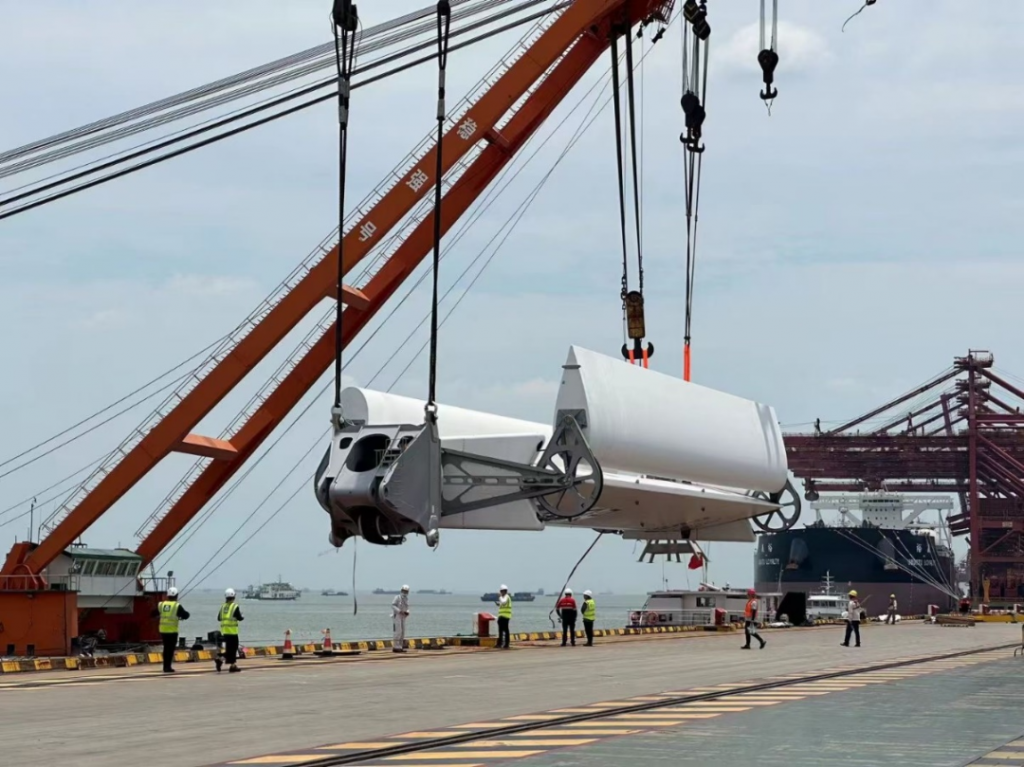
In the shipping sector, a 37.5-meter-high wind-assisted cargo sail wing—expanding to 20 meters in width when fully deployed—demonstrates the structural capability of large-scale composite components.
The structure was manufactured by Zhongfu Lianzhong using the Vacuum Infusion Process. The solution incorporated Palatal® vacuum infusion resins together with Neogel® high-performance weather-resistant gelcoats, ensuring long-term durability under marine environmental exposure.
Large composite sail systems require high mechanical strength, dimensional stability, and resistance to UV and saltwater conditions, making resin selection and process control critical.
Offshore Fisheries: 29.8-Meter Tuna Longliner
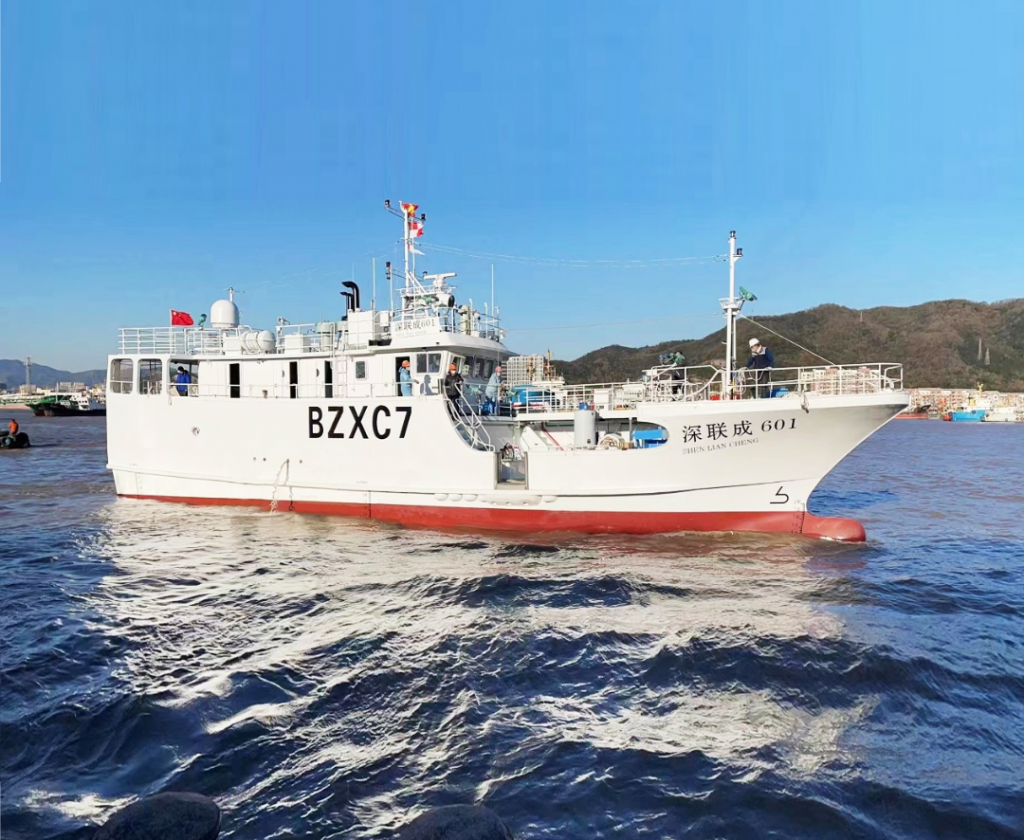
A 29.8-meter tuna longline fishing vessel further highlights the advantages of vacuum infusion in marine construction.
The hull was produced using isophthalic resin combined with Neogel 8373 gelcoat, while the deck utilized Synolite 1967-G-3 resin. Manufactured by Zhongchuang Liangyun through the Vacuum Infusion Process, the vessel benefits from improved corrosion resistance, consistent laminate quality, and reduced maintenance requirements in harsh offshore environments.
Wind Energy Sector: Nacelle Covers
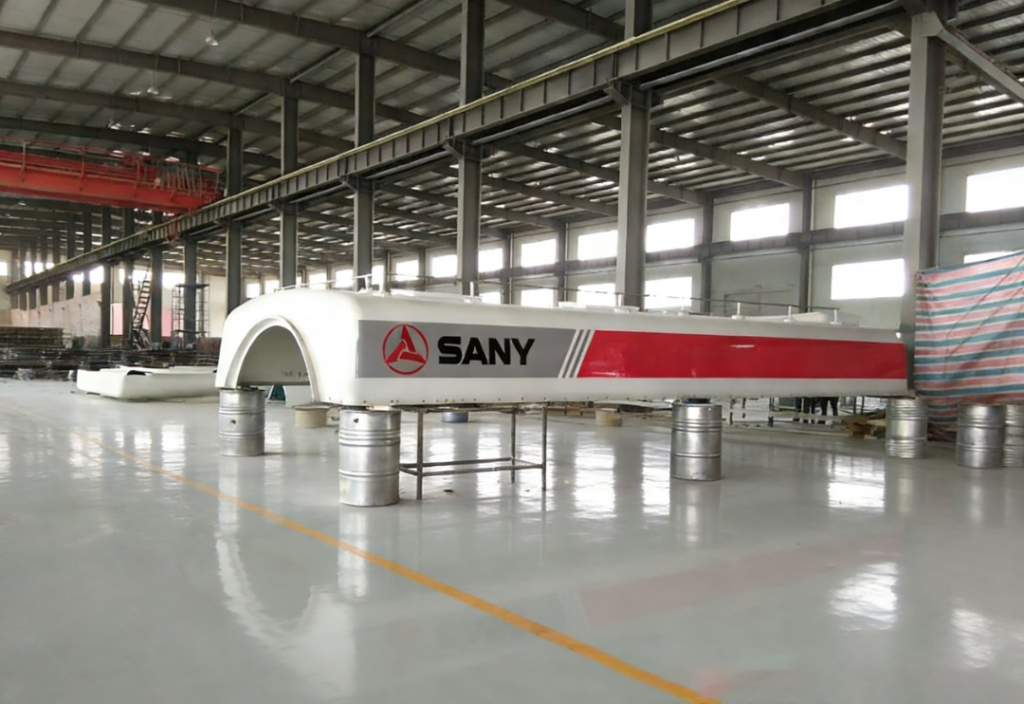
In renewable energy applications, nacelle covers for wind turbines were manufactured using Palatal P68V-994 series resin through the Vacuum Infusion Process.
Composite nacelles must withstand temperature fluctuations, wind loads, and environmental exposure over extended service periods. Controlled infusion processes help ensure structural reliability and surface integrity.
European Offshore Engineering: Subsea Pipeline Protection Covers
In subsea oil and gas applications, composite protection covers for offshore pipelines were manufactured by Norway-based CSUB using Synolite™ vacuum infusion resin systems and the Vacuum Infusion Process.
These components operate in highly demanding subsea environments, requiring excellent chemical resistance, mechanical strength, and long-term durability under hydrostatic pressure.
European Infrastructure: Hybrid Composite-Steel Bridge
In civil engineering, FiberCore Europe developed a hybrid bridge structure combining composite materials for the main body with steel handrails. The bridge was manufactured using Synolite™ vacuum infusion resin systems through the Vacuum Infusion Process.
The project reflects the growing adoption of composite materials in infrastructure, where weight reduction, corrosion resistance, and long service life are increasingly valued.

Expanding the Role of Vacuum Infusion Technology
From wind-assisted cargo vessels to deep-sea protection systems, from offshore fishing fleets to composite bridges, these projects reflect the versatility and maturity of the Vacuum Infusion Process.
The consistent application of the Vacuum Infusion Process across diverse industries highlights its advantages in producing large, high-performance composite structures with improved quality control and structural reliability.
As a supplier serving the composite materials sector, Thousands Technology follows these industry developments closely and provides resin systems and technical support to manufacturers engaged in marine, energy, and infrastructure applications.