LOCTITE®648™ is designed for the bonding of cylindrical fitting parts. The product cures when confined in the absence of air between close fitting metal surfaces and prevents loosening and leakage from shock and vibration. Typical applications include holding gears and sprockets onto gearbox shafts and rotors on electric motor shafts . LOCTITE® 648™ provides robust curing performance. It not only works on active metals (e.g. mild steel) but also on passive substrates such as stainless steel and plated surfaces. The product offers high temperature performance and oil tolerance. It tolerates minor surface contaminations from various oils, such as cutting, lubrication, anti-corrosion and protection fluids.
For Assembly
1. For best results, clean all surfaces (external and internal) with a LOCTITE® cleaning solvent and allow to dry.
2. To accelerate cure speed or where large gaps are present, use activator and allow to dry.
3. For Slip Fitted Assemblies, apply adhesive around the leading edge of the pin and the inside of the collar and use a rotating motion during assembly to ensure good coverage.
4. For Press Fitted Assemblies, apply adhesive thoroughly to both bond surfaces and assemble at high press on rates.
5. For Shrink Fitted Assemblies, the adhesive should be coated onto the part to produce a smooth, even film of material. If heating the hub for assembly, coat the pin. If the pin is to be cooled for assembly, coat the hub. If both heating and cooling is to be done, apply material to cooled part. Avoid condensation on cooled parts.
6. Parts should not be disturbed until sufficient handling strength is achieved. For Disassembly
1. Remove with standard hand tools.
2. If needed, apply localized heat to the assembly to approximately 250 °C. Disassemble while hot.
3. If this temperature is not possible, heat as much as possible and use mechanical aids. For Cleanup
1. Cured product can be removed with a combination of soaking in a Loctite solvent and mechanical abrasion such as a wire brush.
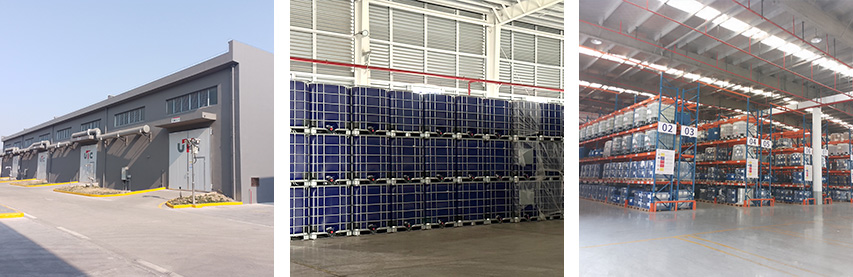
Transportation
To make chemical sourcing more efficient reliable, and intelligent
Our Partners
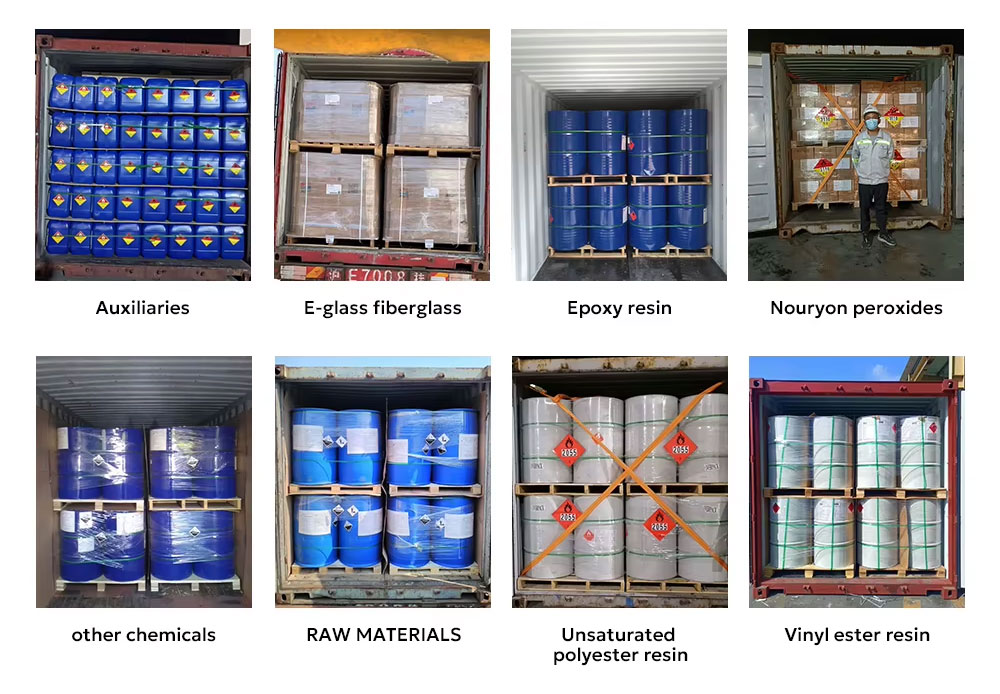
Packaging & Shipping
Every process of our packaging is very strict just to betterdeliver the goods to your hands!
We connect global chemical suppliers and customers through a smart,
transparent, and efficient online trading platform — delivering one-stop
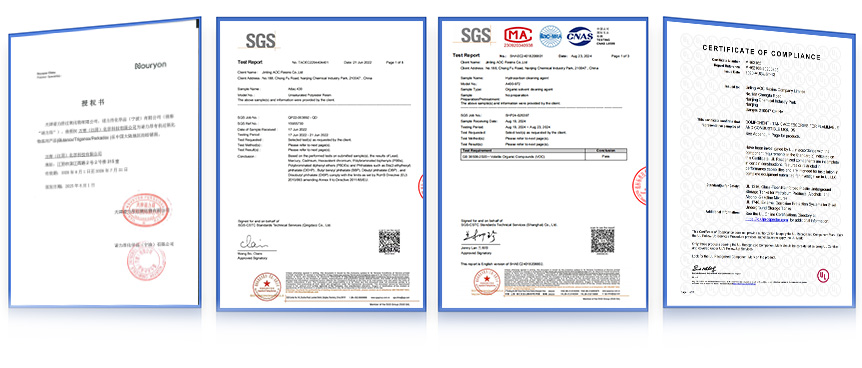
sourcing, real-time pricing, compliance documentation, and intelligent
logistics.
Get a Quick Quote
Fill out the form below and we will contact you shortly.